The MyBid blog is your expert guide to conversion traffic.
We share real-world case studies, insider tips, and practical guides for our
ad network. Learn how to master these tough verticals and run profitable
campaigns with our tools. No theory, just actionable advice to boost your profit.
[ Why MyBid Traffic and Dexodata Proxies Are a Must-Have ]
29.09.2026Affiliate Marketing How to start?7 min
Contents
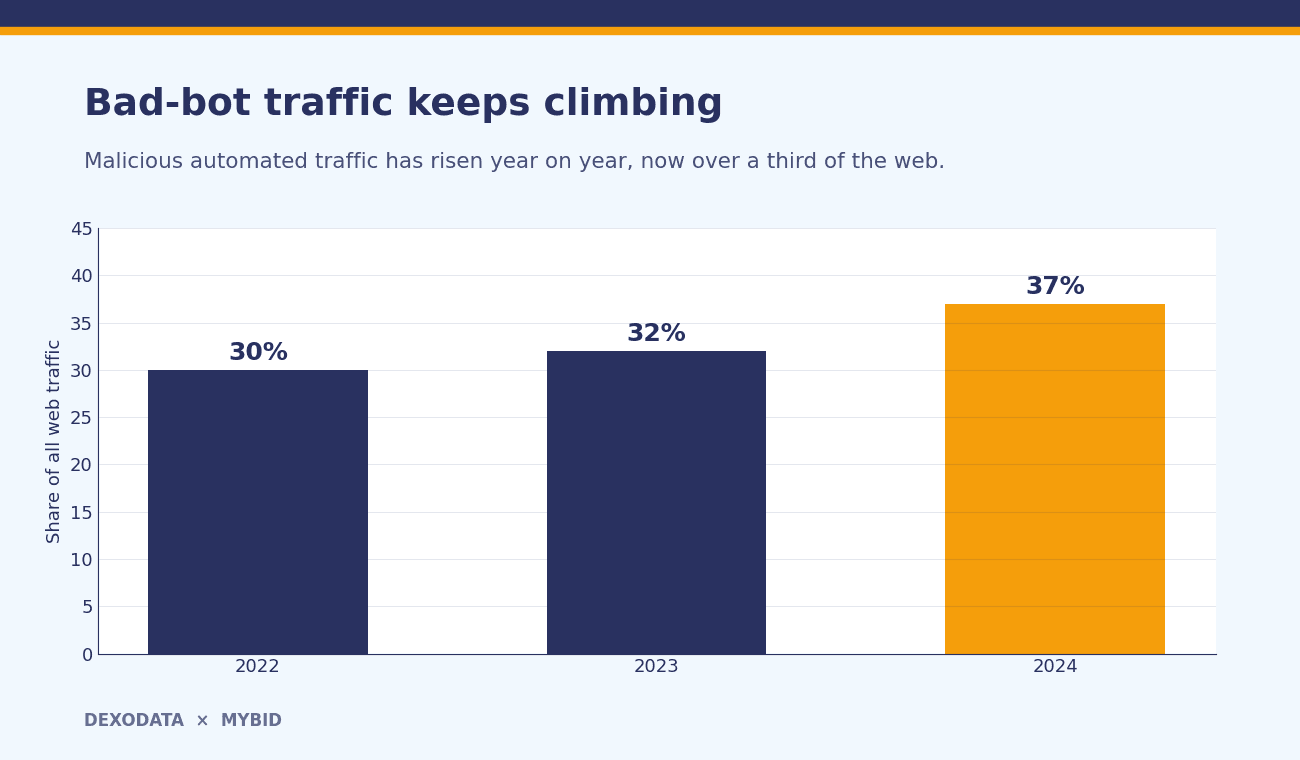
Performance marketing hit a tipping point in 2025: automated traffic quietly crossed 53%, pushing human users into the minority at 47%. This completely changes the process for advertisers, publishers, and media buyers—impressions, clicks, and new accounts aren't judged on creative alone anymore. It is scored on where it came from, whether its geography holds together, and whether the network behind it looks human. Two layers decide the outcome: the quality of the traffic you buy, and the quality of the network you run it through.
MyBid: premium demand without the fraud tax
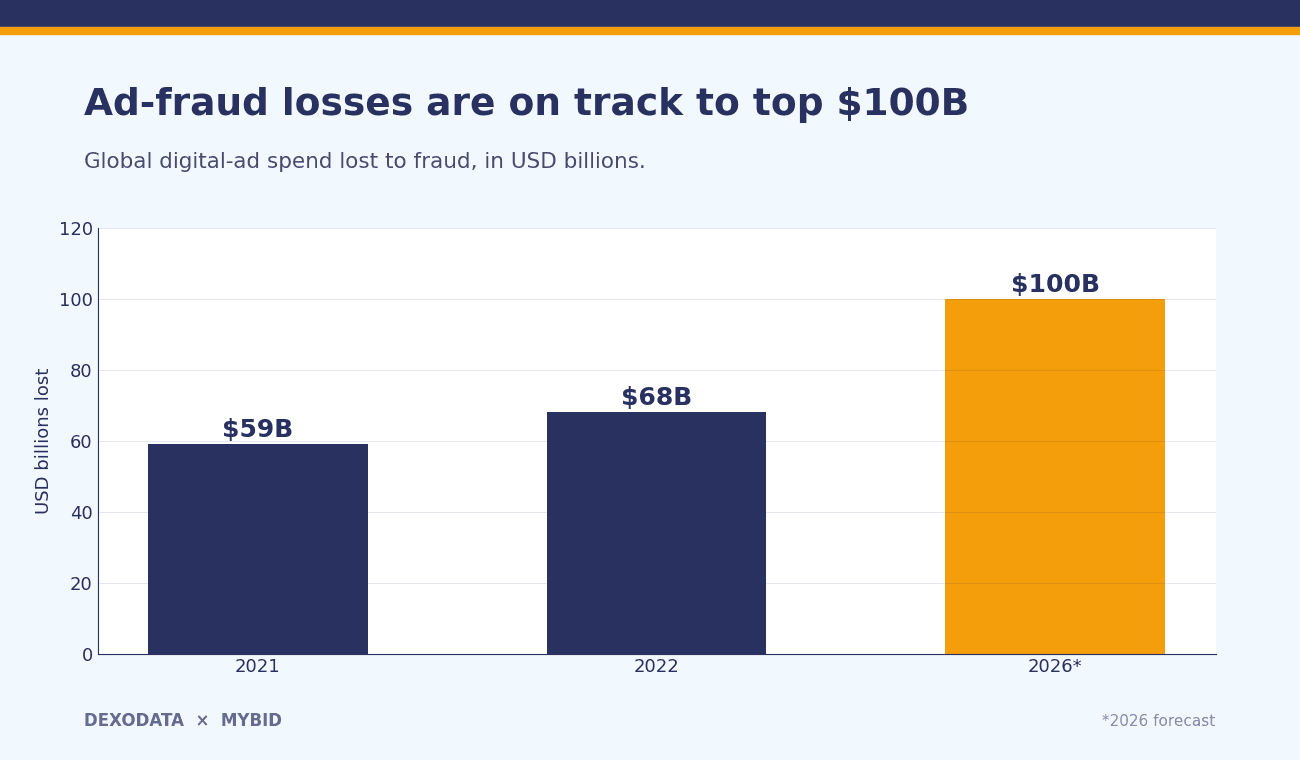
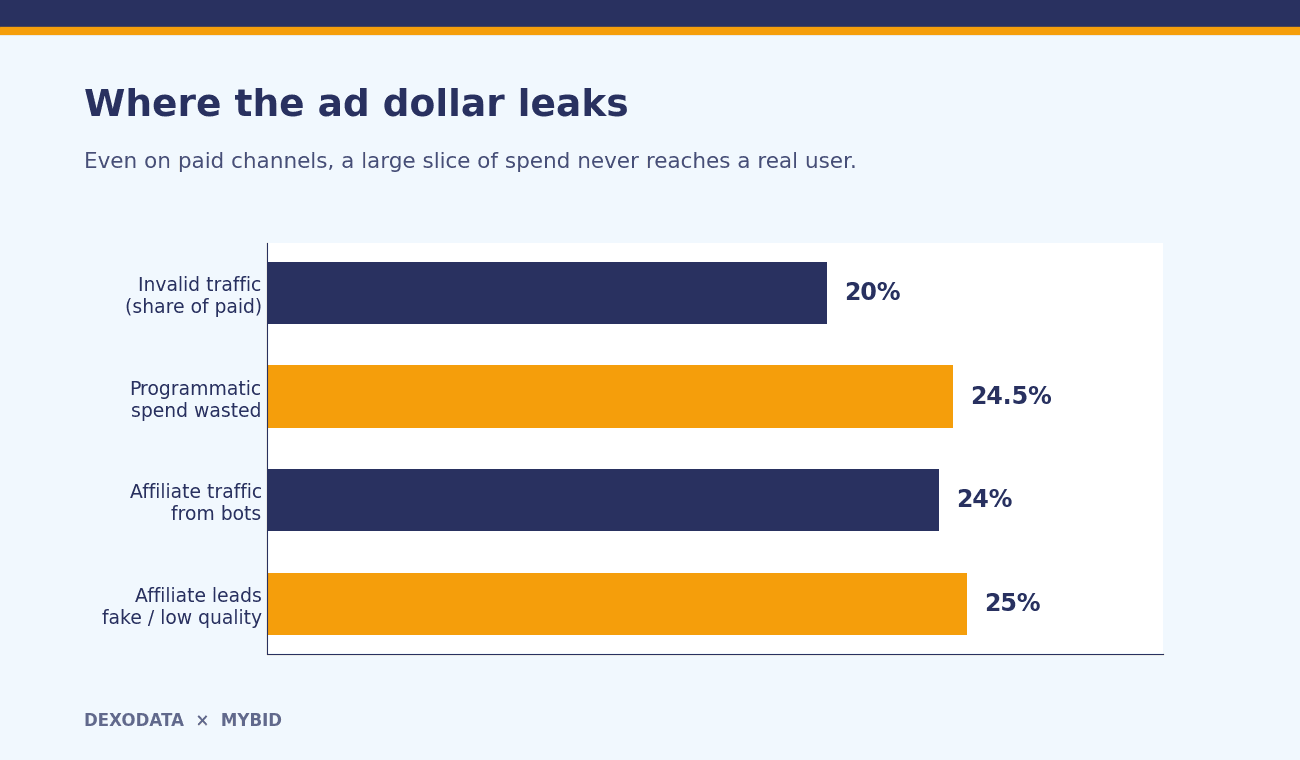
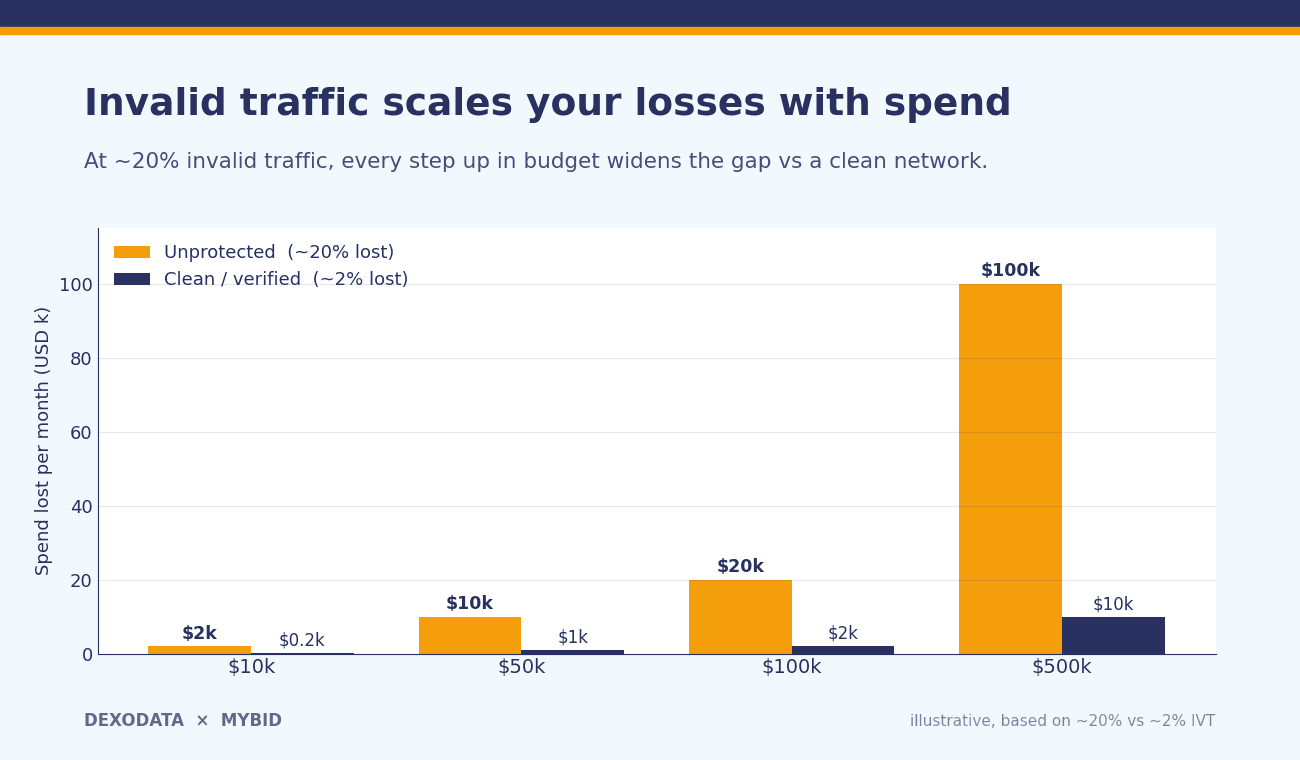
MyBid was built to solve the first layer. Delivering 6 billion monthly impressions directly from 17,000+ verified traffic sources with no middlemen, it runs transparent RTB auctions on manually moderated, fraud-free inventory, with no inflated metrics and no shady bidding games. That matters more than it used to: digital ad fraud is on track to drain over $100 billion globally, invalid traffic runs at roughly a fifth of all paid traffic, and independent studies write off close to a quarter of programmatic spend as pure waste.
To give operators total flexibility, MyBid runs a hybrid model: a Fully-Managed service where dedicated account managers handle targeting, whitelists, and supply custom creatives at zero extra cost, alongside a granular Self-Service platform for autonomous media teams. Bidding runs on 100% authentic traffic across adaptive formats—Push, Popunder (with entry CPCs starting at $0.00003), In-Page, Video, Banners, Native, and Telegram Mini-Apps (TMA, driving 10x–20x higher CTRs in messenger-native environments). Powered by SmartCPM, SmartCPC, CPA Goal algorithms, and a rule-based automated Optimizer, buyers can launch with an accessible $100 minimum deposit. For media buyers the pitch is sharper still: direct offers with zero KPIs, in-house media buying across iGaming, Dating, Nutra and Utilities, and guaranteed lead quality from 300+ FTD a month.
But premium demand is only half the equation.
Dexodata: the network layer that decides who scales
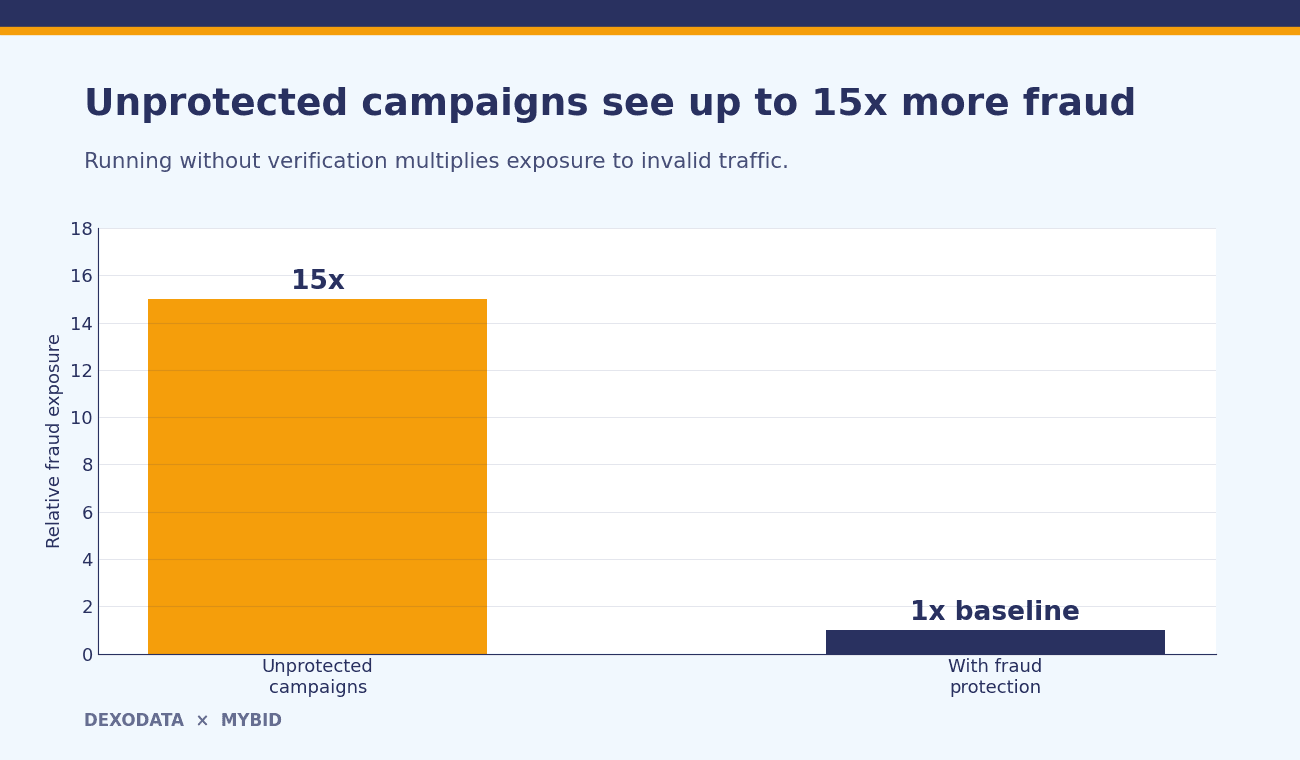
Here is the part most funnels underestimate: modern anti-fraud systems look way past your landing page. They actively track IP reputation, VPN and proxy signatures, geo-consistency, and shared signals between accounts. When half of all affiliate traffic is clogged with bots, fake leads, or junk conversions, networks stop giving setups the benefit of the doubt. Unprotected setups face sky-high rejection rates compared to clean, verified routes. A datacenter IP is trivially fingerprinted and sits on shared hosting ranges that get blocklisted en masse; twenty accounts leaving through one address is the clearest linkage signal there is. The network you run on is not plumbing; it is a ranking factor.
Dexodata is a global proxy ecosystem built on a fully opt-in network, with rigorous KYC and AML compliance and extensive IP coverage worldwide. It provides residential, mobile and datacenter proxies with high performance and precise geotargeting, down to country, region, city and ISP, so a connection matches an offer's targeting to the local carrier instead of a broad country guess. Every address is sourced with user consent, which means the pool reads as clean, accountable IPs rather than the grey-market ranges platforms distrust on sight. For a buyer running MyBid demand, that becomes three concrete wins: multi-accounting without the shared-address footprint, delivery that matches the GEO you actually bought, and traffic that behaves like a real regional user from the first impression to the final conversion.
The control sits where operators need it. Flexible IP rotation covers per-session and scheduled changes; an API folds provisioning and rotation into your own stack; VPN (WireGuard) compatibility and Xray support drop into existing tooling; and a built-in firewall with customizable domain allowlists and blocklists lets you decide exactly where proxy traffic can go. Because the network is opt-in and KYC and AML compliant, you can also stand behind where your traffic originates, a growing requirement as ad platforms and payment partners tighten their own due diligence. See the full network at Dexodata.
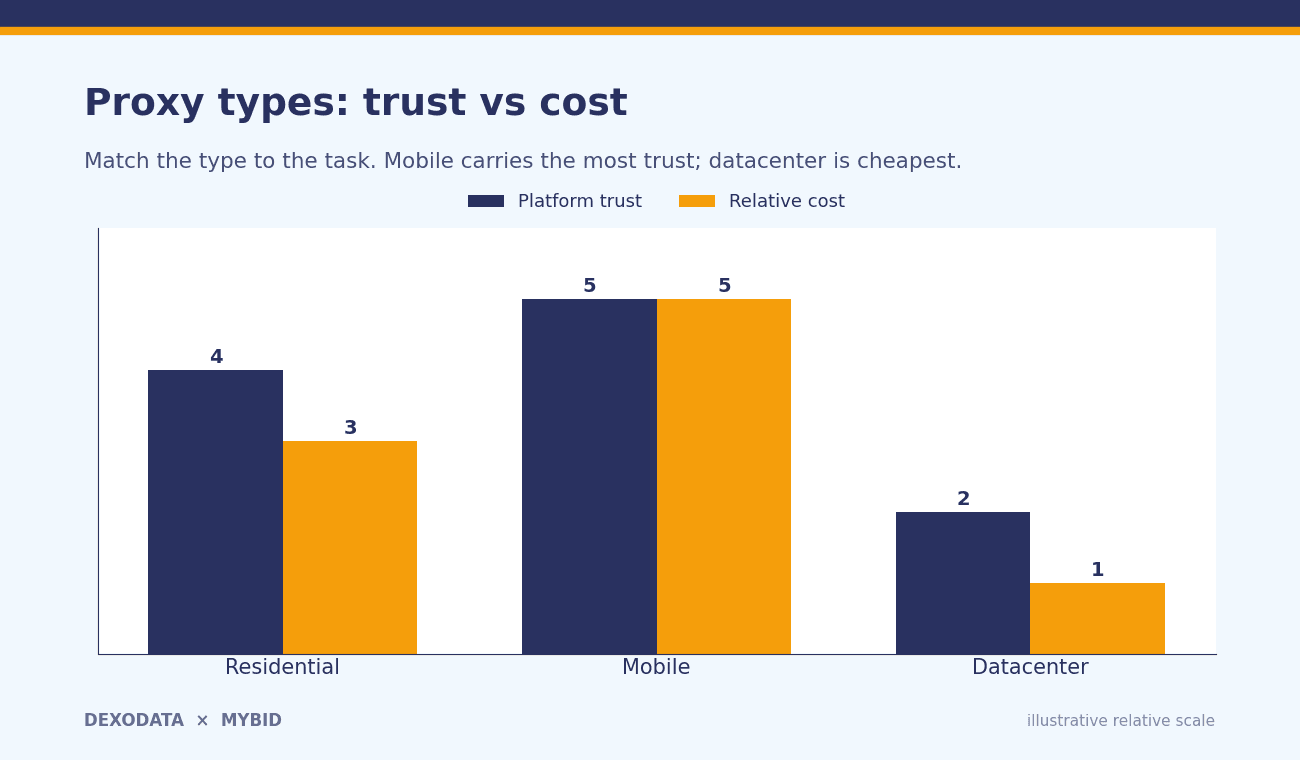
Proxy types, mapped to the verticals MyBid buyers run:
Residential IPs: home-provider addresses, the backbone of multi-accounting, ad-account work and geo-testing landers before you scale spend.
Mobile IPs: carrier connections that platforms trust most, the right call for strict anti-fraud and mobile-first verticals like iGaming and Dating.
Datacenter IPs: a cost-efficient option for parsing, monitoring and technical automation around your campaigns.
Economics that scale the way campaigns do
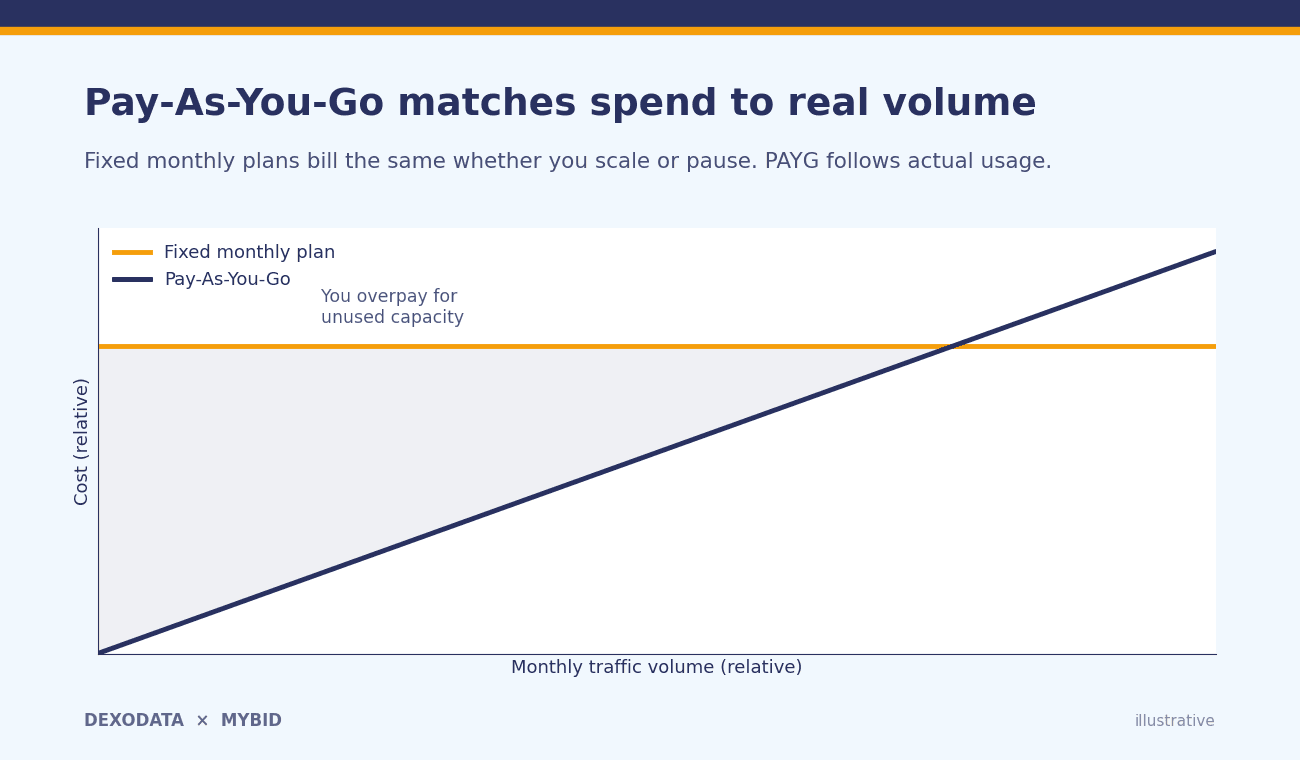
Fixed monthly proxy plans punish the one thing performance marketers do best, moving volume up and down fast. Dexodata runs on a Pay-As-You-Go model on a tokenized balance, so spend follows real traffic rather than a rigid commitment: you buy more as a winner scales, and nothing sits idle when you pause. A free $1 starting balance and a 25% bonus on the first deposit make it cheap to validate the exact GEOs and account setups you need before committing budget. And for teams with an audience of buyers, the RevShare referral program returns 5% to 12% of every referred payment with no expiration date, a recurring line on top of the traffic itself.
Buy premium, run clean, scale hard
The modern stack is a partnership between the demand you buy and the network you run it on. MyBid removes the fraud tax on the demand side with verified sources, manual moderation, transparent RTB and in-house creatives. Dexodata removes it on the network side with opt-in, compliant, geo-accurate IPs that keep accounts alive and campaigns legible to the platforms scoring them. Together they let advertisers, publishers and affiliates do the one thing that actually compounds: scale without the network quietly betraying the spend. Start with a clean network at Dexodata.
One-time promo code MYBID – 10% off your port purchase (valid until September 18, 2027).
FAQ
1. How do I warm and age ad accounts without tripping anti-fraud?
Give each account a stable, local IP and keep it consistent while it matures. Anti-fraud reacts to sudden change – an account that jumps countries, carriers or address ranges overnight reads as automated. Warming an account on a steady residential IP in its target region lets it build history the way a real user would, which is exactly what carries it through later scaling.
2. Dexodata lists "high performance" – what does that mean for a buyer?
It is about stability under load, not bragging rights. Live campaigns push many concurrent sessions, and a network that drops connections mid-funnel quietly kills conversions and skews your tests. High-performance residential, mobile and datacenter routes are meant to hold up as volume climbs, so the proxy layer is not the thing that breaks when you scale.
3. When do I actually need mobile proxies rather than residential?
Reach for mobile when the source's anti-fraud is at its strictest or the offer is mobile-first. Carrier IPs carry the highest trust because large numbers of real subscribers share them, which makes them the hardest to single out. For desktop ad-account work or routine geo-testing, residential is usually enough – save mobile for the tightest platforms and mobile-only funnels where it earns its premium.
4. Which MyBid ad format should I run for which goal?
It depends on how much attention you are buying. Push and In-Page are the workhorses for volume and retargeting; Popunder suits aggressive, high-reach pushes (with CPCs starting at $0.00003); Native, Video and Banners carry brand and higher-intent creative; and Telegram Mini-Apps (TMA) open a fast-growing, messenger-native surface with 10x–20x higher CTRs for Crypto and iGaming. Because every format is built in-house, you can test across them without stitching together third-party tags.
5. I'm a publisher – what actually changes if I monetize through MyBid?
Predictability. MyBid will buy up to 95% of your traffic, including the Tier-2, Tier-3 and niche GEOs most partners skip, often at up to 20% higher revenue than your current setup, across 120+ countries. Payouts land three times a week via USDT, USDC, Capitalist, SEPA, Visa/Mastercard, and more, and every format is developed in-house to stay compliant with Google and Yandex policies — so monetizing does not put your platform at risk.
6. Do I need my own creative team and optimization tools to run on MyBid?
No. For managed accounts, MyBid's in-house creative team produces banners, landers and videos at no additional cost. Self-service buyers leverage SmartCPM, CPA Goal algorithms, and a Rule-Based Optimizer that automatically cuts underperforming zones. For media buyers that means launching and scaling without hiring a design shop or wiring up separate optimization software – the ecosystem carries that weight instead of the operator.