The MyBid blog is your expert guide to conversion traffic.
We share real-world case studies, insider tips, and practical guides for our
ad network. Learn how to master these tough verticals and run profitable
campaigns with our tools. No theory, just actionable advice to boost your profit.
[ What is CPC in Affiliate Marketing & How to Lower It ]
29.09.2026Affiliate Marketing How to start?3 min
Contents
In affiliate marketing, campaign success comes down to hard numbers, and CPC is one of the fundamentals. Let’s break down what it means, how to calculate it, and how to maximize profit without wasting budget.
Register with the MyBid advertising network today! Get access to 6 popular formats (Popunder, Push, In-Page Push, Telegram Mini Ads, Banner, Video), millions of global clicks, fast moderation, and personal manager support. Join MyBid and run your campaigns in the black.
What is CPC
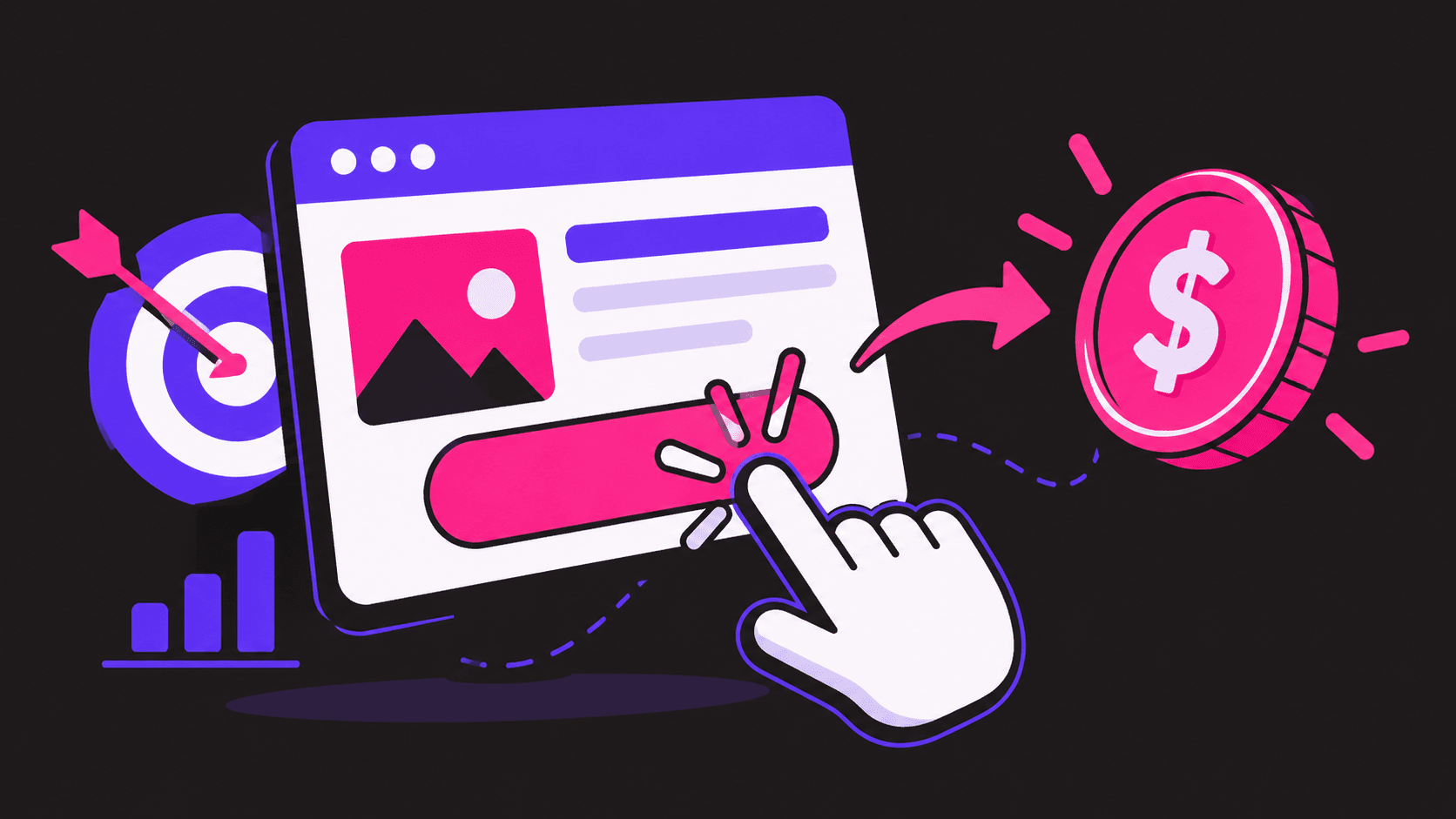
CPC (Cost Per Click) is the price you pay for a single click. You only pay when someone actually clicks your ad and hits your site or pre-lander.
For media buyers, it’s a core budgeting benchmark. It tells you instantly what audience attention costs and whether a bundle is worth testing further, helping you cut losses early.
How CPC Differs from Other Payment Models
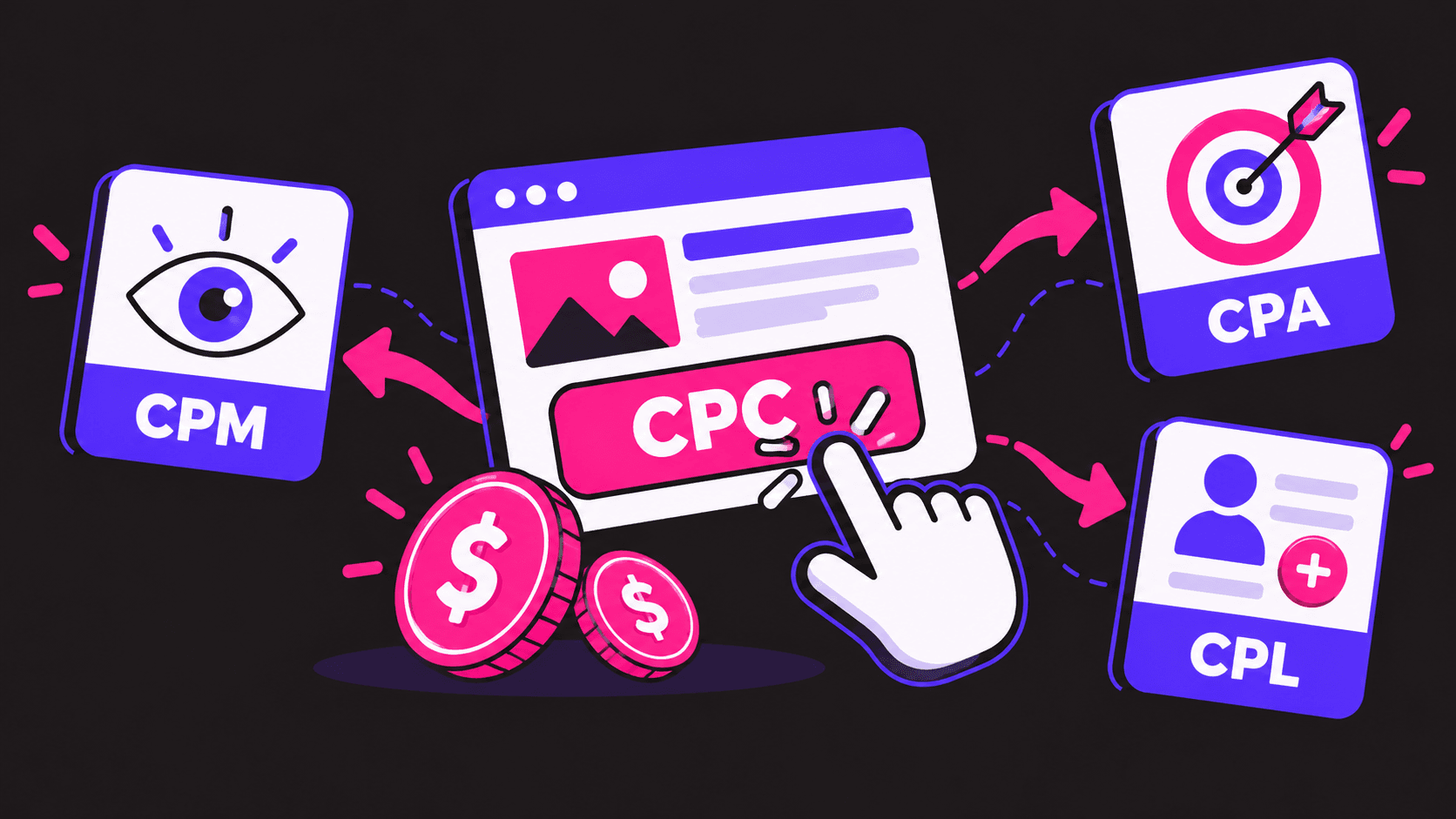
In performance marketing, CPC sits alongside other pricing formats, but the core difference is what you pay for:
Metric
What it is
Purpose
CPM (Cost Per Mille)
Cost per thousand impressions
You pay for reach regardless of clicks. Great for brand awareness, but doesn't guarantee traffic.
CPC (Cost Per Click)
Payment strictly for clicks
If someone scrolls past your ad, you don’t spend a cent.
CPA (Cost Per Action)
Payment for a concrete result
Money is deducted only for target actions like purchases, registrations, or deposits.
CPC hits the sweet spot: you aren't gambling your budget on dead screen impressions, nor are you overpaying for conversions right at the top of the funnel.
How to Calculate Cost Per Click
Calculating CPC is straightforward: divide your total campaign spend by the total number of clicks.
Practical example: Spent $150 and pulled 750 clicks? Divide 150 by 750 to get $0.20 per click.
Ad accounts and trackers handle the math automatically, tracking your numbers in real time so you don't have to crunch them manually.
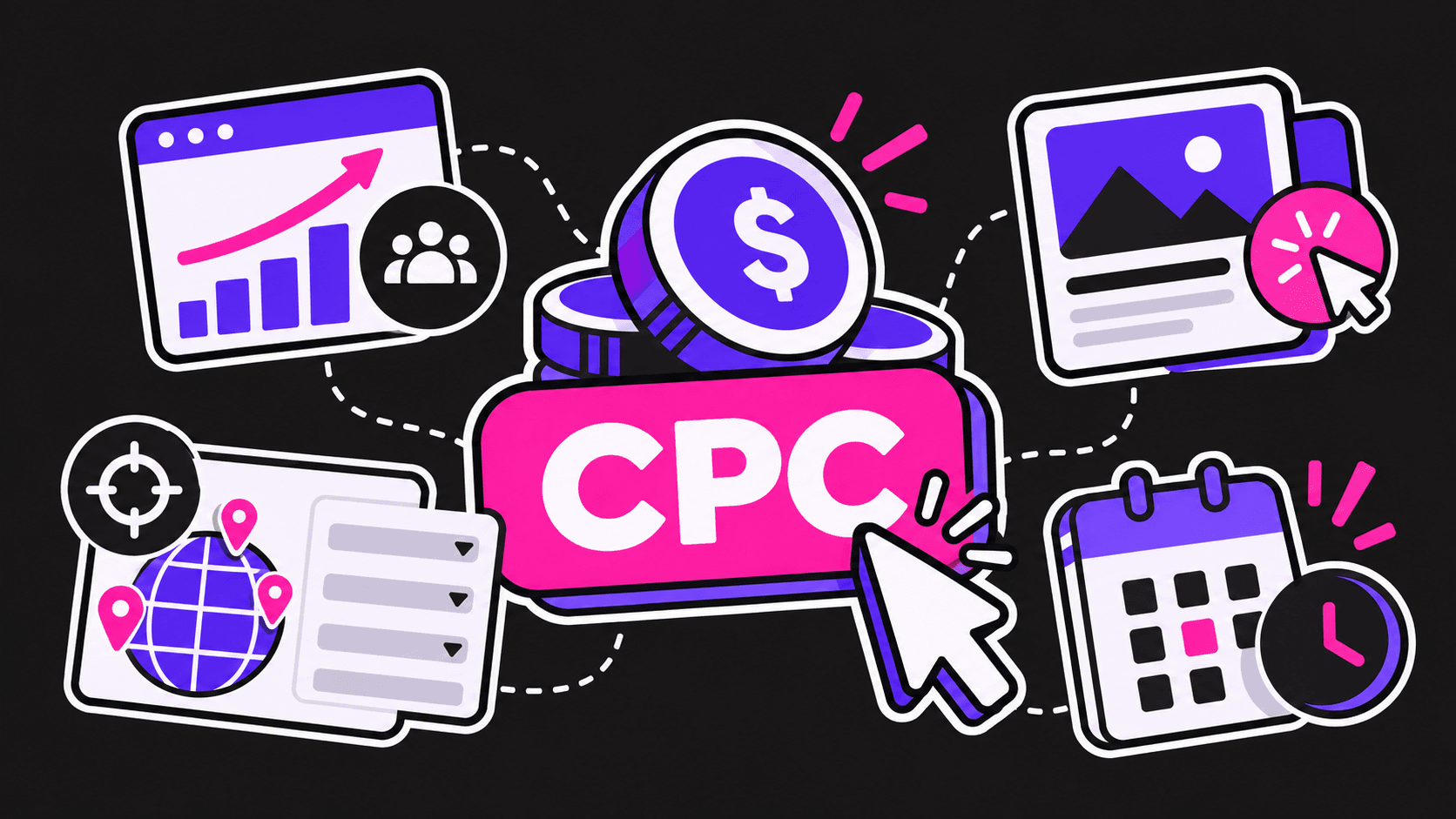
What Factors Influence CPC
Cost per click constantly shifts due to market and technical variables:
Competition & GEO
Crowded offers and Tier-1 GEOs spark bidding wars. When auctions overheat, networks raise entry bids, pushing your CPC up.
Creative Quality & CTR
Networks favor high CTRs. Strong creatives get more impressions and lower click costs because systems reward engaging ads.
Targeting Precision
Broad settings yield cheap clicks but low intent. Hyper-targeting cuts inventory and raises prices—always balance cost against final profit.
Seasonality
Holidays, major sports events, and Black Friday bring big brands into auctions with massive budgets, spiking CPC across all verticals.
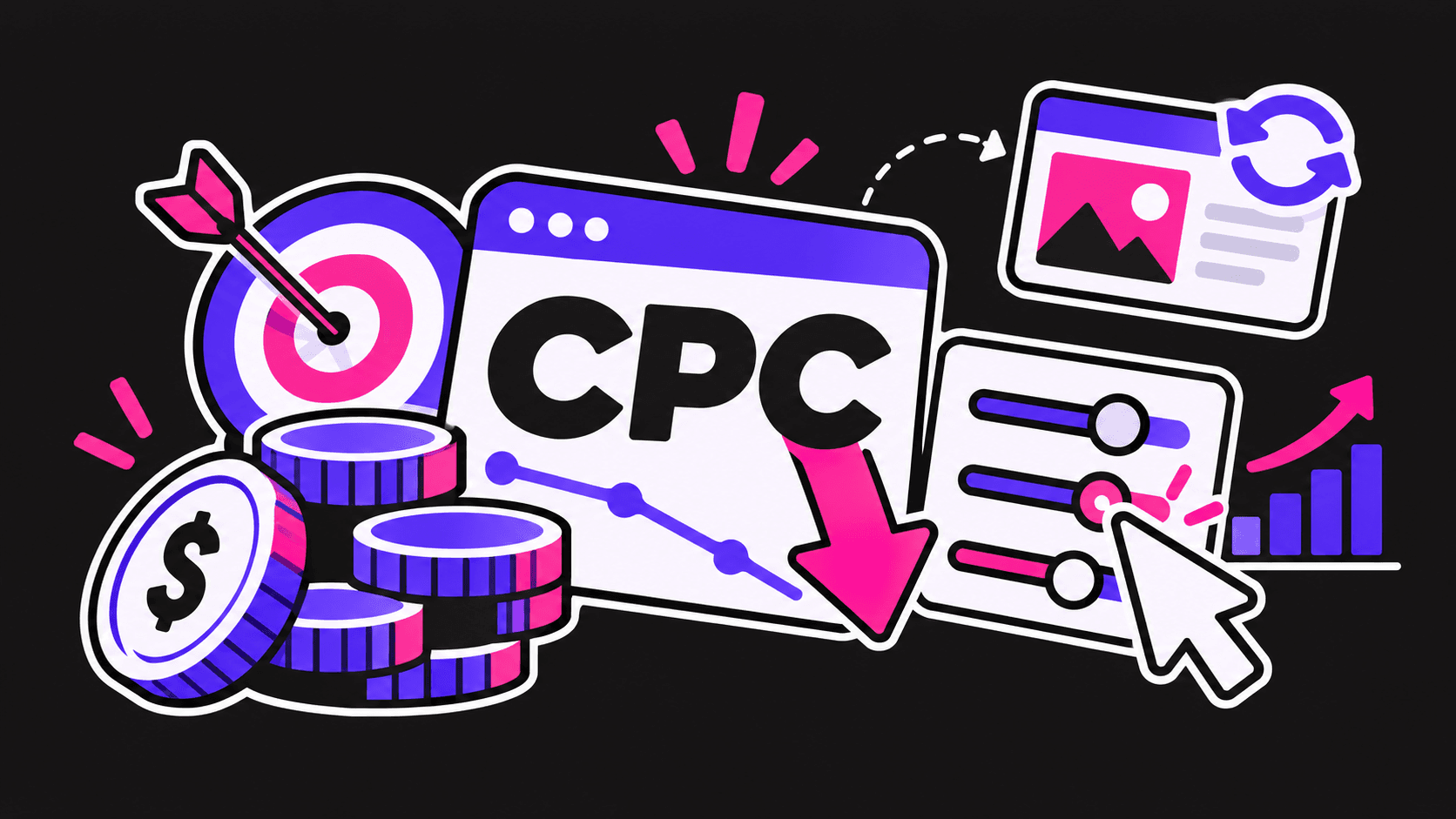
How to Control and Lower CPC Without Hurting Traffic Quality
Chasing the absolute cheapest click can easily backfire: cutting bids to the minimum makes it easy to lose live traffic. To lower your CPC safely, use systematic methods:
Rotate creatives regularly
Fighting banner blindness boosts CTR, which directly drops your CPC. (For instance, push or In-Page Push creatives in MyBid can burn out after a week or two. Swapping icons and main images for fresh visual triggers restores your CTR and keeps bids at a minimum).
Manage bids smoothly
Lower bids in small increments rather than making drastic cuts. When running Popunder traffic, never drop your bid by 50% overnight—it will tank your volume. In MyBid, it’s safer to lower bids by 5–10% steps and track traffic via your dashboard or account manager.
Filter your sources
Cut underperforming placements and dead Sub-IDs. Blacklisting a Zone ID that drains your budget without driving clicks frees up cash to scale profitable MyBid zones.
Test different angles
Kill non-converting targeting segments. For Telegram Mini Ads or video traffic, try hooks based on quick wins, gamification, or storytelling to see what fits your GEO.
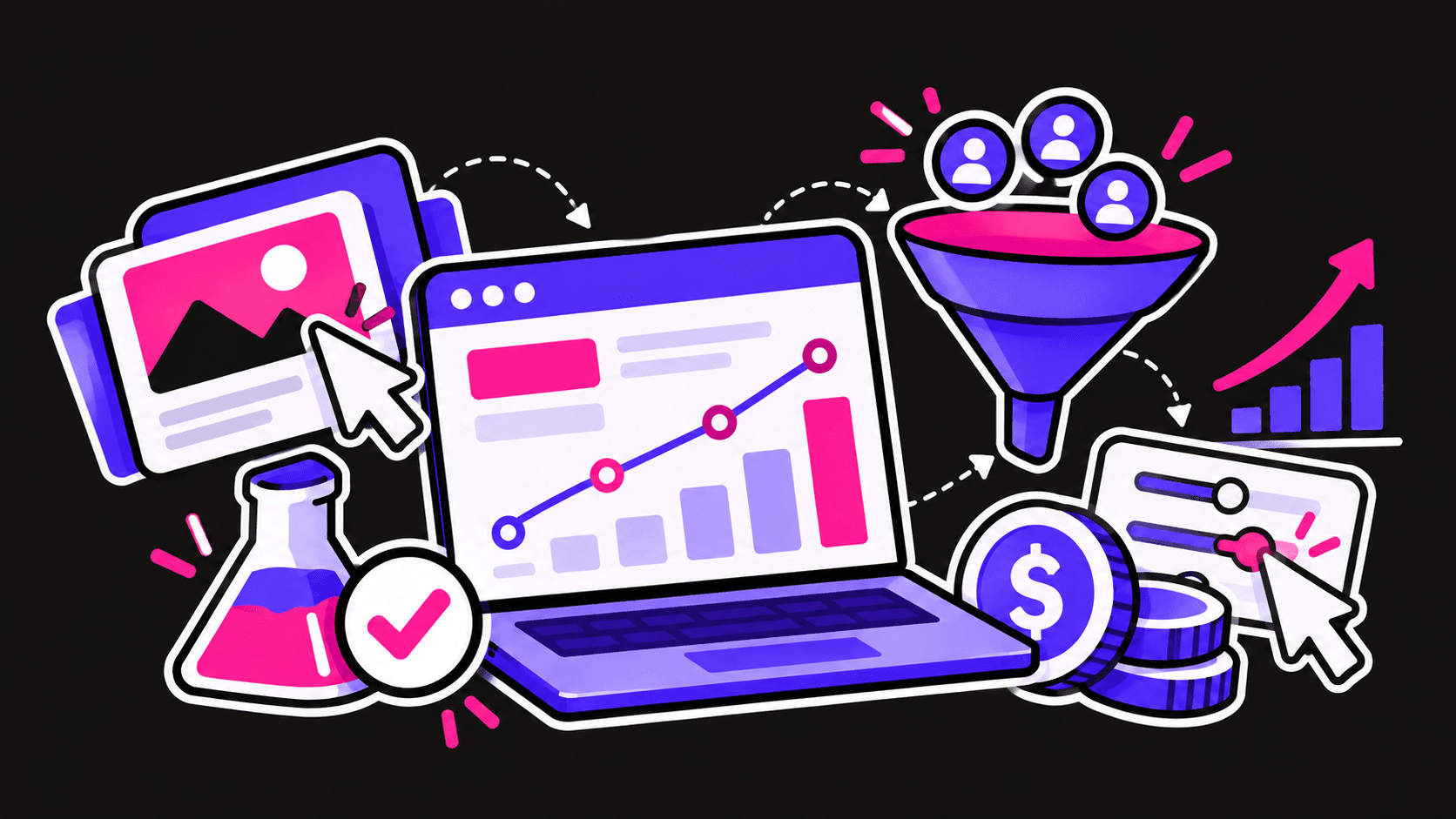
How to Use CPC When Launching and Optimizing Campaigns
CPC serves as your primary navigation tool throughout the campaign lifecycle:
Hypothesis testing: When starting a test on a tight budget, analyze your starting CPC. If it exceeds expectations, your creative needs immediate adjustment.
Funnel alignment: A cheap click is worthless if it doesn't convert. Always evaluate your CPC alongside downstream metrics like CR, CPA, and ROI.
Scaling control: Monitor your CPC daily. If click costs start creeping up, your bundle is burning out or the auction is overheating, signaling that it's time to refresh creatives or tweak targeting.