Banner ads aren’t a “set it and forget it” thing anymore. The format, placement, and even the user’s device all influence whether your creative actually gets seen — and whether it does anything useful. A few years back you could just upload a banner and hope for the best. Today, choosing the right size is basically mandatory if you want clean delivery and a CTR that doesn’t make you cry.
Why Banner Size Actually Matters

Source: audience science
Banner size has nothing to do with “pretty design” and everything to do with whether your ad even gets a chance to show. Platforms have strict slot sizes, and if your creative doesn’t match them, it simply won’t appear where you expect. Pick the wrong format and your banner might get cropped, shoved into a dead zone, or blended into the page so well that nobody even notices it. That’s how you lose CTR, viewability, and money. Choosing the right size is one of the simplest ways to keep performance stable and avoid burning budget for nothing.
IAB Standard Banner Sizes for 2025
The industry has a handful of formats that everyone supports. These are the “safe bets” that give you the broadest reach.
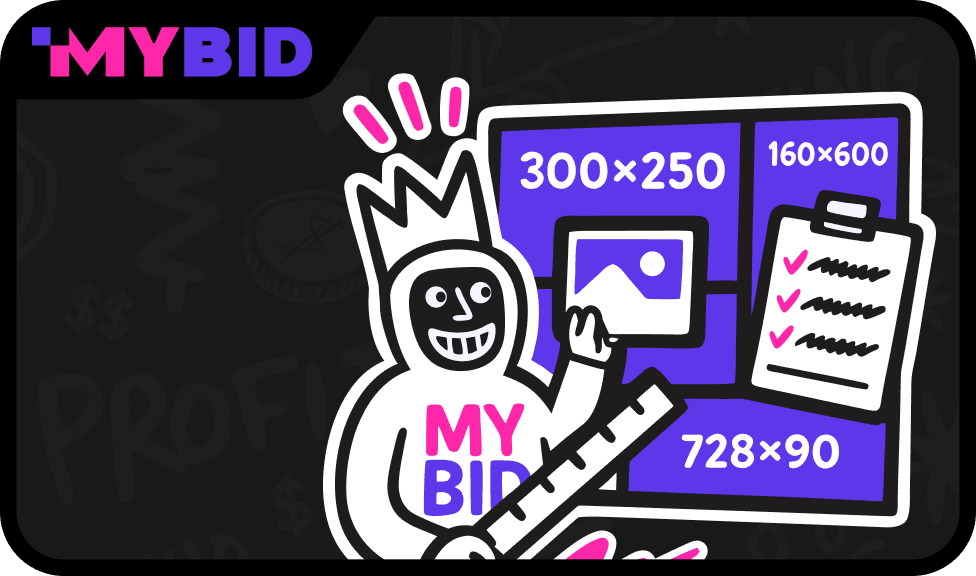
Leaderboard 728x90 — the classic top‑placement unit
You’ll usually see this one sitting right above the main content. It performs reliably on desktop, grabs attention without being annoying, and works well for campaigns focused on reach and brand visibility.
Medium Rectangle 300x250 — the universal go‑to
This format is everywhere for a reason. It fits into articles, sidebars, mobile layouts — basically any placement you can think of. It loads quickly, doesn’t break layouts, and consistently delivers strong CTR. That’s why almost every campaign uses it.
These are the long vertical banners you see in sidebars. The 160x600 fits traditional layouts, while the 300x600 gives you more creative space and tends to stay visible longer as users scroll.
Every platform has its own preferences, and if you follow them, your metrics will look much better.
Google Display Network
The formats that get the most inventory here are 300x250, 336x280, 728x90, 300x600, and 320x100. These sizes appear in the majority of available placements.
Facebook & Instagram
Square and horizontal creatives work best in the feed. For Stories, stick to 1080x1920 — anything else gets cropped, and your CTR drops instantly.
Both platforms prefer clean, simple visuals. LinkedIn performs best with 1200x627, while Twitter leans toward 1600x900 and 1200x1200.
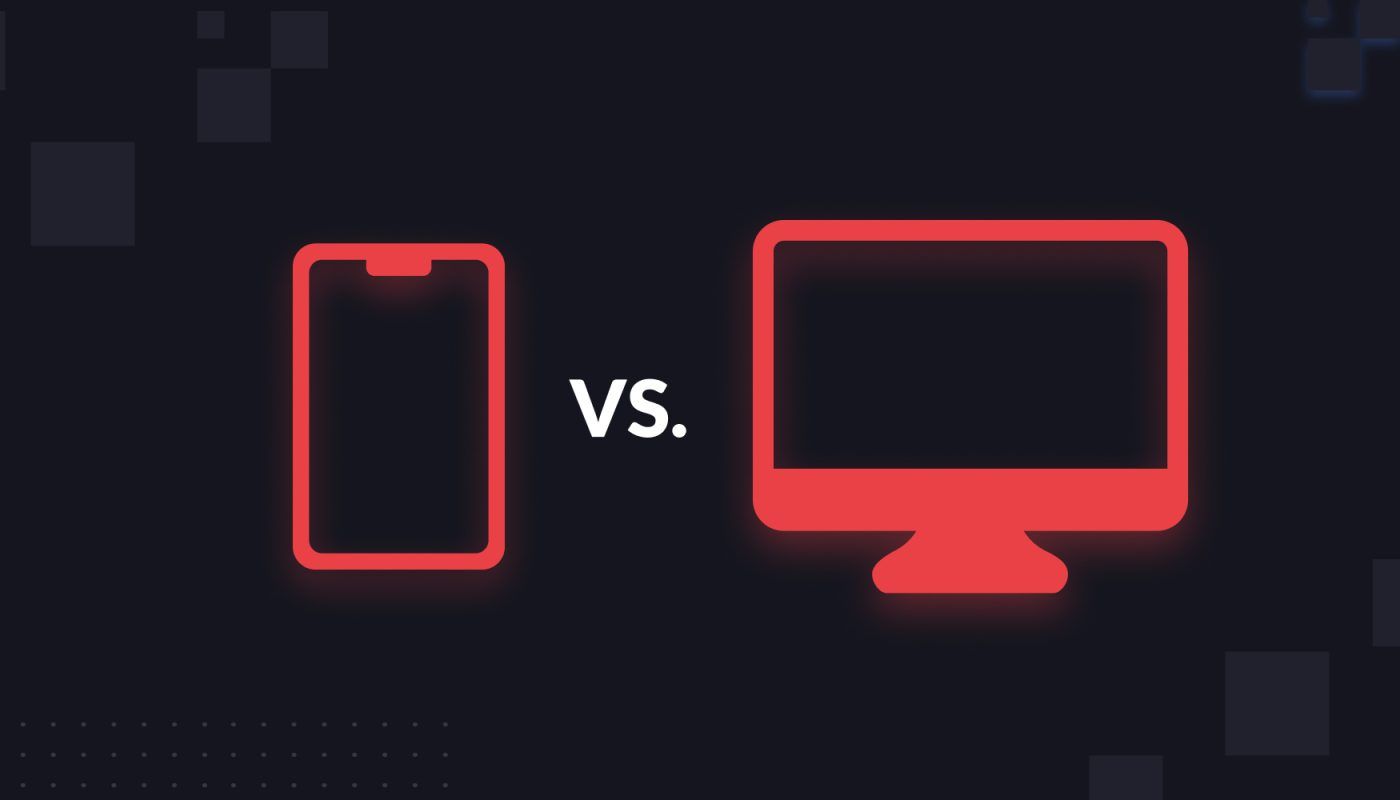
Mobile vs Desktop: Why One Banner Won’t Fit Both
Source: Interwise
Mobile screens are cramped, so you need formats that load fast and don’t block content. That’s why 320x50 and 300x50 are the standard mobile units — they’re small, lightweight, and don’t annoy users.
Desktop layouts have more breathing room, so larger formats make more sense there.
How to Handle Responsive Banners
If you want your banner to look normal everywhere, think about proportions, safe zones, and pixel density. Responsive design isn’t about shrinking a big image — it’s about building a layout that stays readable no matter the size.
The market keeps evolving, and creatives evolve with it.
Vertical Video
The 9:16 format has become the default thanks to mobile platforms. It fills the entire screen and drives high engagement.
HTML5 Banners
Animation, interactivity, dynamic content — all of this helps your banner stand out. HTML5 lets you build lightweight, modern creatives that look sharp and load fast.
Technical Requirements You Shouldn’t Ignore
To pass moderation and display correctly, stick to the basics:
1. keep file size small for fast loading
2. use supported formats: GIF, JPG, PNG, HTML5
3. double the resolution for Retina screens
Common Mistakes That Kill Campaigns
The biggest issues are ignoring platform requirements and stuffing the banner with too much text or visual noise. If the user can’t understand the message instantly, the banner fails. Keep it simple and readable.
You’ve got quick online editors for simple tasks and pro‑level tools for full creative control. The main rule: don’t cheap out on the creative. The banner is the first thing the user sees — and sometimes the only thing.
Where Banner Advertising Is Heading
The industry is moving toward personalization and dynamic creatives. AI is already generating banners, and interactive formats are becoming standard. In the next few years, banners will adapt more and more to user behavior.
Conclusion
Choosing the right banner size is the foundation of a strong campaign. When the format matches the platform, device, and context, the banner performs better, costs less, and delivers more. Understanding standards and platform specifics helps you build ads that actually do their job.
Want to turn your traffic into stable revenue? Join MyBid — a fully managed, multi‑format ad network with competitive rates, safe monetization, and 24/7 support. Advertisers get access to 200+ GEOs, and publishers enjoy high CPCs and top‑tier markets. Start earning with MyBid today!