The MyBid blog is your expert guide to conversion traffic.
We share real-world case studies, insider tips, and practical guides for our
ad network. Learn how to master these tough verticals and run profitable
campaigns with our tools. No theory, just actionable advice to boost your profit.
If you have a website where you regularly publish articles, sooner or later you start wondering: where's the money? You're putting in the time, you're putting in the effort, and it would be nice if it actually brought in some income. But here's the thing. The old approach of "first we'll build traffic, and then somehow it'll monetize itself" doesn't really work anymore in 2026. Search engines have gotten smarter, people have become more demanding, and just churning out texts hoping for passive earnings doesn't cut it.
Let's figure out together what actually makes money these days, where the hidden pitfalls are, and how to stay afloat when algorithms change faster than spring weather.
What Happened to Search Traffic
The first thing every blogger has to come to terms with is artificial intelligence creeping into search results. Google (and other search engines too) increasingly shows answers right on its own page. You type in a query like "how often to water a cactus" — and you get a ready-made answer immediately. No need to visit someone else's site where the same topic is explained over five thousand characters.
These things are called AI Overviews (in Google) or simply "AI answers." And they really bite. By various estimates, these short answers steal anywhere from 20 to 40% of traffic from informational sites. The queries that suffer the most are those starting with "how," "why," "what is." The person gets their answer and happily leaves. And you're left without a view and without money, if you were relying on ad revenue.
E-E-A-T: Now This Matters
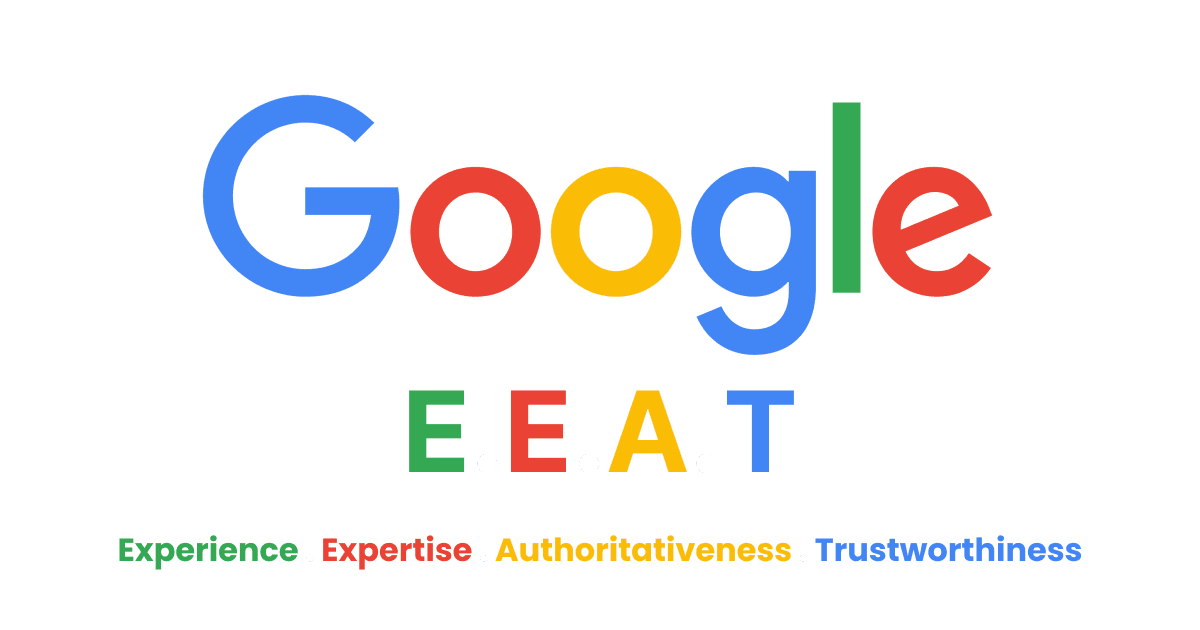
Search engines are trying to fight for quality, and they have a special system for evaluating sites. It's called E-E-A-T. Sounds scary, but it's actually pretty simple:
Experience — are you really knowledgeable about the topic, or did you just copy from Wikipedia?
Expertise — how deeply do you understand what you're writing about?
Authoritativeness — do others link to you, do they consider you a source?
Trust — can people actually believe what you've written?
Modern algorithms don't just mindlessly count keywords anymore. They look to see if there's a real person with genuine experience behind the text. If you're talking about investments but have never bought a single stock yourself — that'll show. Well, or the search engine will pick up on it through indirect signals. So investing in expert content now isn't just trendy — it's absolutely essential.
Where to Get Money: The Main Ways
If you rely on just one income source, you can burn out fast. You need to spread your eggs across different baskets. Here are the main options that actually work.
Advertising on Your Site
Source: Yelp for Business
The good old method. You put up banners, connect to a network, and get paid for impressions or clicks.
What's relevant these days:
Google AdSense — the classic. But to see decent money from it, you need at least 50-100 thousand visits per month. Otherwise, it's just pocket change.
Specialized networks like Mediavine or AdThrive — they offer higher rates, but their requirements are strict (50-100 thousand sessions per month) and they're more geared toward English-language sites.
Direct banner sales — if you have a niche blog with a loyal audience, you can look for advertisers directly. It's a hassle, but the payoff can be more serious.
The downside is obvious: traffic drops — income drops. AI answers or another algorithm update can hit your wallet hard.
Before we move on, it's worth pausing and taking a closer look at MyBid. It's a multi-format advertising network designed for predictable results and fast growth.
For advertisers, MyBid offers competitive CPC rates starting at $0.00003, quality traffic from over 200 countries, fast moderation, direct traffic sources, fraud protection, creative support, and more than 5 billion daily impressions.
For publishers, the platform provides CPC from $0.015, access to top GEOs (USA, Canada, UK, Germany, Australia), and safe monetization for traffic from Google and Yandex. Plus analytics, UTM tags, Trafficback tools, and 24/7 support — everything so publishers can squeeze the maximum out of every visitor.
Affiliate Programs
You recommend a product or service, someone clicks your link and buys, and you get a commission. This still works.
What's hot right now:
Product affiliate programs — Ozon, Wildberries, direct brands. Works well if you have a blog with reviews.
Digital products and SaaS — subscription services. Bring in a client once, and the percentage keeps coming every month.
Educational platforms — courses, training programs. The commissions there are often quite generous.
The main thing — only recommend stuff you've actually used. People can smell insincerity from a mile away. And be honest that the link is an affiliate link. It adds points to your trust score.
Your Own Products
This is the most profitable path, though also the most labor-intensive.
What you can sell:
Informational products — e-books, guides on niche topics.
Courses and tutorials — videos you record yourself or with experts.
Consultations — if you really know your stuff, people will pay for an hour of your time.
Digital templates — checklists, spreadsheets, calculators.
The beauty of your own products is that they're yours. No search engine and no AI can take this income away from you. Create something once — sell it for years.
Paid Subscriptions and Private Clubs
People are willing to pay for what isn't available publicly. This could be a private Telegram channel with in-depth analysis, a paid newsletter with insights, or exclusive webinars.
This works if you already have your own community that trusts you.
Freelance Work for Others
The skills you've developed through your blog can be sold separately. Writing posts for other sites (often for money), creating content for corporate blogs, editing other people's texts, helping with content strategies.
Your blog here serves as your portfolio. You go to a potential client and say: "Look, here's what I can do. Want the same?"
Brand Collaborations
Once your blog gains traction, brands start reaching out with offers. Product reviews, mentions in newsletters, series of posts.
But it's important not to get greedy and sell out all the trust you've built up over the years. Otherwise, Google might penalize you too.
Why You Can't Rely on Just One Source
2026 is a time when relying only on ads or only on affiliate programs is risky. You need to combine them. Here's roughly how the breakdown might look for an average blog:
30% — advertising
30% — affiliate programs
20% — your own products
20% — services or consultations
The numbers can vary, but the point is clear: if one channel dips, the others will back you up.
How to Protect Yourself from AI Answers
Source: Business Insider
You can deal with the AI takeover if you adapt a little.
Dig deeper. AI gives general answers. Your job is to provide details that aren't in the short response. Case studies, personal experience, nuanced analysis. The person reads the quick answer and then comes to you for the full picture.
Focus on "buy" and "compare" queries. Searches like "which smartphone is best under $300" AI can't really handle well yet. This requires a review, comparison, opinion — meaning a visit to your site.
Become recognizable. If people know you, they might search directly: "yourblogname + how to water a cactus." Search engines can't take that traffic away.
Build your own audience. Newsletters, Telegram channels, notifications — channels that don't depend on algorithms.
Boost your E-E-A-T. Show your expertise, add photos, credit authors. Google will trust such a site more.
What Not to Do
I've looked at other people's mistakes and put together a list of things that really kill blogs:
No clear topic. Writing about everything means writing about nothing. Monetizing such a project is tough, and you'll never become an expert in the eyes of search engines.
Plagiarism. Copy-paste and cheap rewriting don't work in 2026. Search engines detect uniqueness at the level of meaning, not just words.
Ignoring mobile. Half of all users are on their phones. If your site isn't mobile-friendly, they leave, and search engines see that and lower your ranking.
Posting infrequently. Once a month just won't cut it. You need to publish often, or publish incredibly high-quality content.
No monetization plan. You launched a blog, you have traffic, but no money. Because you never thought about how you'd actually earn from it.
How to Build a System
For your blog to bring in steady income, you need a systematic approach.
Choose a narrow niche. It's easier to become an expert and reach your audience faster.
Show your experience. Write about what you've actually tried. No experience? Go get some specifically and then tell the story.
Make your content deeper than others. More details, more value.
Build your own base. Newsletters, channels, notifications.
Introduce monetization gradually. Don't plaster ads on an empty site. Give people value first.
Keep up with changes. What worked yesterday might stop working tomorrow. Be ready to adapt.
In Short
Making money with a blog in 2026 isn't magic and it isn't a lottery. It's work that requires brains and a system. Yes, AI is pushing in, competition is growing, algorithms are changing. But people still want to read those who genuinely understand their topic. Those who have experience and can be trusted. And Google, through its E-E-A-T, supports this.
So if you have a site and you're ready to put in the work, write honestly and helpfully — the money will come. Not right away, but it will come. The main thing is not to stop and to remember that your blog is your asset, one that can work for you for years.
Want to turn your traffic into a steady income stream? Join MyBid — a fully managed multi-format advertising network with competitive rates, safe monetization, and 24/7 support. We offer advertisers access to 200+ GEOs and provide publishers with high CPC and access to top-tier markets. Start earning today with MyBid!