In 2026, SEO and traffic arbitrage are no longer about “stuffing keywords” or “throwing traffic at random offers.” Algorithms have become smarter, users more demanding, and competitors far more aggressive. If you want your website to grow consistently, you need to understand why certain methods work instead of blindly following checklists.
Update Your Content: The Fastest Way to Regain Rankings

Source: InSales
Google has become much stricter with outdated content. If a page hasn’t been refreshed for years, it will lose rankings even if it has strong backlinks.
Why updating works:
- the page is already indexed and trusted by Google;
- fresh information increases relevance;
- adding missing subtopics makes the article more complete in the eyes of the algorithm.
Check queries where your pages rank below position 8 in Google Search Console — that’s usually where the “lost” traffic hides. Add new data, expand the structure, and strengthen the page with internal links.
If you want a powerful toolkit for working with content, check out our collection of tools
Target Low-Competition Keywords — A Fast and Honest Boost
Everyone wants to rank for high-volume keywords, but in 2026 the real winners are those who know how to find low-competition keywords.
Why this matters:
- these keywords grow faster;
- they bring more targeted traffic;
- they’re perfect for young websites.
Use Keyword Planner or Semrush, look for low PKD keywords with at least 100 monthly searches. Create dedicated pages for them — and make those pages better than the competition.
If you're new and want to understand how to choose niches in affiliate marketing correctly, check out this guide.
Improve UX — Google Really Watches User Behavior
Google’s Navboost algorithm analyzes how users interact with your site: whether they read, click, or bounce back to search results.
If your UX is poor, rankings drop. If it’s good, they rise.
What matters:
- clean design without visual clutter;
- fast loading speed;
- mobile responsiveness;
- logical navigation.
If you want to understand how user behavior and traffic strategies evolved over the years, here’s a fascinating comparison of 2010 vs 2025.
Strengthen On‑Page SEO: Meta, Structure, Headings
On‑page SEO is the foundation. If it’s weak, no amount of backlinks will save you.
Key elements:
- title under 60 characters with the main keyword;
- meta description under 145 characters;
- H1 with the primary keyword, logical H2/H3 structure;
- alt tags for images.
If you want to enhance your workflow with neural networks, here’s a curated list of top AI tools for arbitrage.
Technical SEO: Indexing, Errors, Redirects
Technical issues are like a leaky bucket — no matter how much traffic you pour in, it drains out.
Check:
- which pages are indexed;
- whether there are 4xx errors;
- if redirect chains exist;
- whether mixed content appears;
- if your sitemap works correctly.
If you want a strong set of tools for affiliate marketing, here’s an overview of the best paid solutions.
Build High‑Quality Backlinks
Backlinks remain one of the strongest ranking factors in Google’s algorithm — but only high‑quality ones matter.
The goal is not to collect as many links as possible, but to earn links that actually strengthen your domain.
Effective approaches include:
- finding brand mentions without a link and politely asking authors to add one;
- offering expert commentary to journalists and bloggers;
- creating content that people naturally want to cite — studies, comparisons, tools, templates.
Backlinks are essentially votes of confidence. The more authoritative the source, the stronger the vote.
Capture Featured Snippets
Featured snippets are essentially “position zero” — the highest visibility spot in Google’s search results.
To increase your chances:
- analyze the snippet format for your target query (paragraph, list, table);
- write a clear 40–60‑word answer to the question;
- place a keyword‑rich heading directly above that answer.
Google prefers content that is structured, concise, and easy to extract.
Merge Cannibalizing Pages
If you have multiple pages targeting the same topic, Google may struggle to determine which one to rank.
As a result, none of them perform well.
The solution:
- choose the strongest page (the one with the most traffic or backlinks);
- merge useful content from weaker pages into it;
- set 301 redirects from the duplicates to the main page.
This consolidates authority and helps the primary page climb in rankings.
Strengthen E‑E‑A‑T: Experience, Expertise, Authoritativeness, Trustworthiness
Google wants to see that your content is created by people who actually understand the topic.
Ways to demonstrate E‑E‑A‑T:
- add author bios with real experience;
- cite credible sources and studies;
- include original photos, screenshots, and examples;
- update content regularly.
Create Content Hubs Instead of Standalone Articles
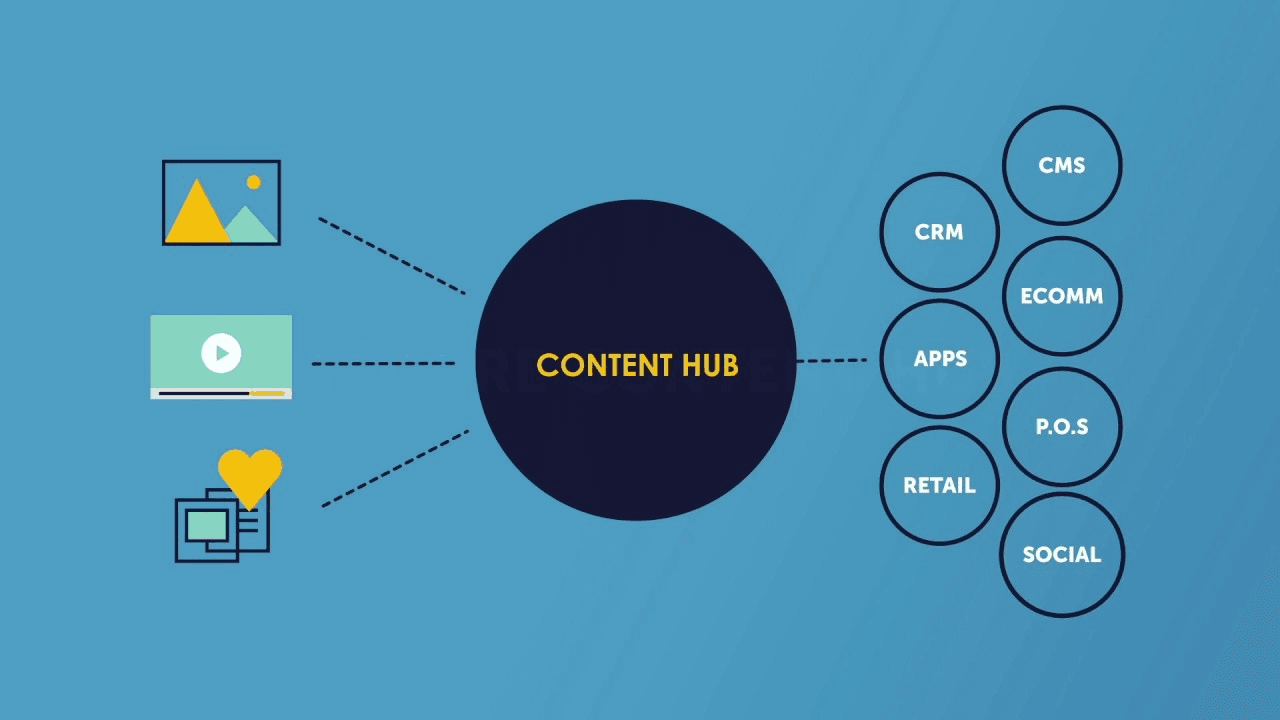
Source: EPAM Systems
A content hub isn’t just a long article — it’s an entire ecosystem of interconnected materials.
Imagine a central guide like “The Complete Traffic Arbitrage Handbook,” surrounded by dozens of supporting articles: choosing offers, tools, common mistakes, optimization strategies.
Why hubs work:
- Google sees deep topical coverage;
- users spend more time navigating your site;
- your domain becomes an authoritative resource in that niche.
Hubs are especially powerful in finance, SaaS, arbitrage, education, and medical topics.
Write Content for Different Levels of User Intent
Most websites focus only on informational queries, but that’s just the top of the funnel.
To grow traffic and conversions, you need to cover the entire user journey:
- informational queries (“what is CPC”, “how SEO works”);
- comparison queries (“Facebook Ads vs Google Ads”);
- commercial queries (“best affiliate networks”, “top arbitrage tools”);
- transactional queries (“buy”, “sign up”, “join”).
When you cover all intent levels, you guide users from first contact to conversion — which boosts both SEO and revenue.
Add Interactive Elements: Calculators, Quizzes, Checklists
Interactive content keeps users on your site longer than plain text ever could.
Examples include:
- ROI calculators;
- offer selection tools;
- quizzes like “Which traffic type suits you?”;
- campaign launch checklists.
Why this matters:
- users stay longer;
- behavioral signals improve;
- pages get bookmarked and shared;
- you can collect valuable user insights.
Google loves pages that genuinely help users, not just “provide text.”
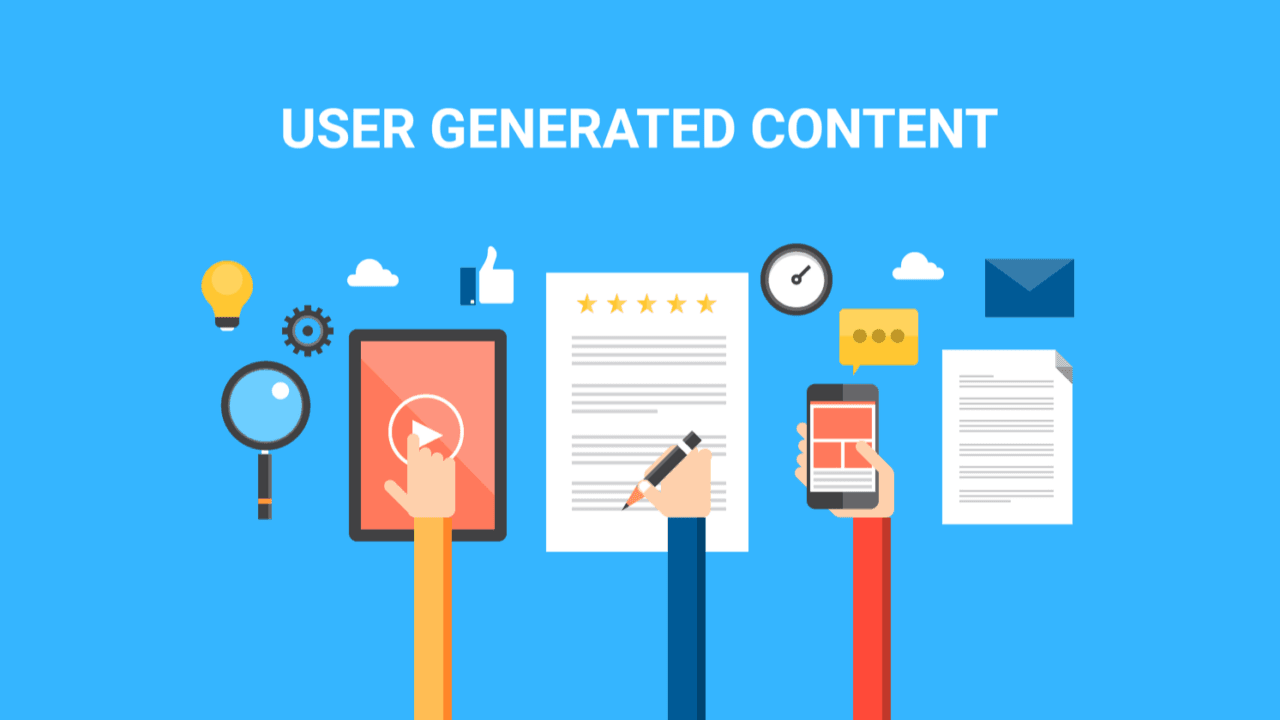
Use UGC as a Source of SEO Content
Source: Cropas
User‑generated content — comments, reviews, questions — is one of the most underrated sources of unique content.
Benefits:
- users naturally generate relevant keywords;
- content looks authentic and alive;
- trust increases;
- Google sees that the page is active.
Adding a “User Questions” or “Expert Comments” block can dramatically improve the value of your page.
Publish Expert Reviews and Comparisons
Google increasingly prioritizes content that demonstrates real‑world experience.
Not just “Top 10 tools,” but:
- real screenshots;
- pros and cons;
- who the tool is best for;
- personal conclusions;
- comparisons with alternatives.
This type of content earns trust, ranks better, and attracts backlinks.
Use Multilingual Content When Your Niche Allows It
If your audience is international, translating your content is a powerful way to expand reach without creating new material from scratch.
But translation alone isn’t enough — you need localization:
- currencies;
- examples;
- local services;
- cultural nuances.
This approach works especially well for SaaS, arbitrage, e‑commerce, and educational projects.
Create Evergreen Content and Update It on a Schedule
Evergreen content is the type of material that stays relevant for years — guides, how‑tos, best practices, comparison articles.
But the secret is not just to publish them — you need to refresh them every 3–6 months.
This gives you:
- stable, predictable traffic;
- ranking boosts after each update;
- increased trust from Google.
Evergreen content is essentially your “SEO passive income.”
Use Data and Research to Stand Out
Google loves original data.
If you can collect statistics, run a small study, or conduct a survey — do it.
Benefits include:
- natural backlinks;
- social media shares;
- higher authority;
- differentiation from competitors.
Even a simple “We analyzed 500 campaigns and discovered…” can outperform generic content.
Boost CTR Through A/B Testing Snippets
Sometimes a page ranks well but gets few clicks.
The fix is simple: test different titles and meta descriptions.
You can experiment with:
- numbers (“10 ways…”, “5 mistakes…”);
- emotional triggers (“the truth no one talks about”);
- benefits (“how to increase traffic in 7 days”);
- word order.
Higher CTR almost always leads to higher rankings — Google sees that users prefer your result.
Use the “Parasite SEO” Strategy

Source: Traffic Cardinal
This is when you publish content on high‑authority platforms to rank quickly.
Examples include:
- Medium;
- Reddit;
- Quora;
- industry blogs;
- large media outlets.
Why it works:
- these domains already have strong authority;
- your content can hit the top in days, not months;
- you occupy multiple positions in the SERP;
- it helps new websites that don’t yet have domain strength.
This strategy is especially useful for competitive keywords where your own site can’t break through yet.
Content Based on Demand, Not a Calendar
Instead of publishing articles “because they’re on the content plan,” react to real‑time demand.
If a topic suddenly spikes in Google Trends or goes viral in Telegram, publish immediately.
This type of content often ranks faster because you catch the wave before competitors even notice it.
TikTok, Reddit, Telegram, and YouTube are full of real user questions.
If you see a question being discussed everywhere, turn it into an article.
This is real user intent — not abstract keyword research — and such content ranks quickly and attracts traffic from multiple channels.
Use Video as an SEO Booster
Google loves pages with video in 2026.
You don’t need a studio — even a simple screen recording or short explanation works.
Video increases:
- time on page;
- user engagement;
- chances of appearing in video SERP blocks.
Even a quick, informal video can lift your rankings.
Create Mini‑Courses Inside Your Blog
A series of interconnected articles keeps users on your site far longer than standalone posts.
Google sees depth, structure, and expertise — and rewards it.
This works especially well in niches like SEO, arbitrage, SaaS, and marketing.
Use Failure Breakdowns — People Love Them
Users love learning from mistakes — especially someone else’s.
Breakdowns of failed campaigns, bad landing pages, or poor strategies generate engagement, shares, and backlinks.
Google also favors this type of content because it’s unique and practical.
Full “Resuscitation” of Old Pages
Sometimes a page is too outdated to simply update.
In that case, rebuild it completely: new structure, new visuals, new examples, new title.
This is like a full renovation — more work, but the results are dramatic.
Such pages often return to the top faster than new ones.
Create Content for Micro‑Segments
Instead of one article like “How to choose an affiliate network,” create several:
- for beginners;
- for nutra;
- for Tier‑1 GEOs;
- for push traffic;
- for mobile apps.
Each page targets a specific audience segment — and Google loves precision.
Use SEO Redirects for Growth
Large sites often have dozens of outdated or weak pages.
Merge them into stronger pages using 301 redirects.
This consolidates authority and accelerates ranking growth.
Optimize Content for AI Search
To appear in AI Overviews and LLM‑generated answers, write:
- short, clear paragraphs;
- direct answers;
- fact‑based statements;
- structured explanations.
AI systems prefer content that is easy to quote and extract.
Create Link‑Magnet Content
Studies, statistics, infographics, templates, and large comparison tables naturally attract backlinks.
People share them, cite them, and embed them — strengthening your entire domain.
This is one of the most powerful growth strategies in 2026.
Conclusion
In 2026, SEO is not a set of tricks — it’s a systematic approach: updates, UX, structure, technical health, links, and trust.
Traffic grows for those who work consistently, not chaotically.
Want to Turn Your Traffic Into Stable Income?
Join MyBid — a fully managed, multi‑format advertising network with competitive rates, safe monetization, and 24/7 support.
Advertisers get access to 200+ GEOs.
Publishers get high CPCs and work with top‑tier markets.
Start earning today with MyBid!