The MyBid blog is your expert guide to conversion traffic.
We share real-world case studies, insider tips, and practical guides for our
ad network. Learn how to master these tough verticals and run profitable
campaigns with our tools. No theory, just actionable advice to boost your profit.
[ What Is CPA Marketing? Your Path to High ROI — A Beginner's Guide ]
27.05.2026Affiliate Marketing How to start?19 min
Contents
By 2026, more than 70% of companies in online advertising have tried the CPA model at least once. And many stuck with it. Because paying for impressions or clicks when there are no sales gets old fast. CPA marketing (Cost Per Action) works differently: the advertiser pays only when a user actually does something — buys, leaves a request, registers, or installs an app. That means no wasted spend.
Next, we’ll explain how does CPA marketing work, what payout types exist, how CPA vs CPL vs CPM difference affects you, where a beginner should start to avoid burning their budget, and where to get traffic in 2026. This will be useful both for those who need customers and for those who want to earn money through promotion. Let’s go.
What Is CPA Marketing? Definition
To put it very simply: what is CPA marketing? It’s when a seller pays a partner (website owner, blogger, affiliate) only after the person who came through their link does what was required — places an order, fills out a form, subscribes, downloads an app. If they don’t, no payment. Fair and square.
Who is involved in this setup
There are three parties.
Advertiser. This is a business or person who needs leads or sales. They create an offer — the proposal — and state how much they will pay for a result.
CPA network. The middle layer between the advertiser and those driving traffic. It provides the technology to track clicks and conversions, checks traffic for bots, organizes payouts, and resolves disputes.
Partner (also called an affiliate). The one who actually brings people in. They choose an offer, take a personal link, and launch ads somewhere — social media, Telegram, push, or popunder — and get paid for each confirmed action.
How the CPA funnel looks
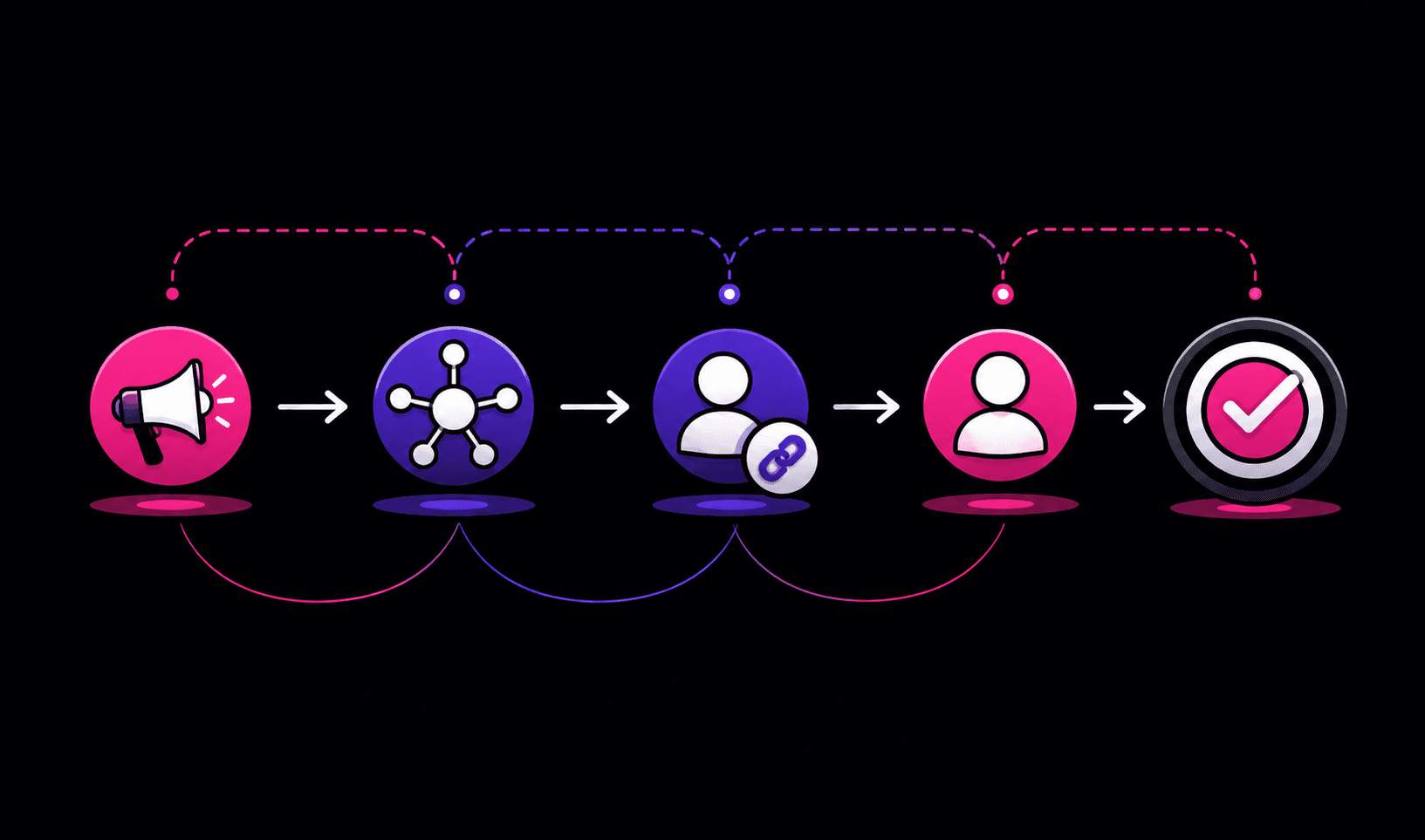
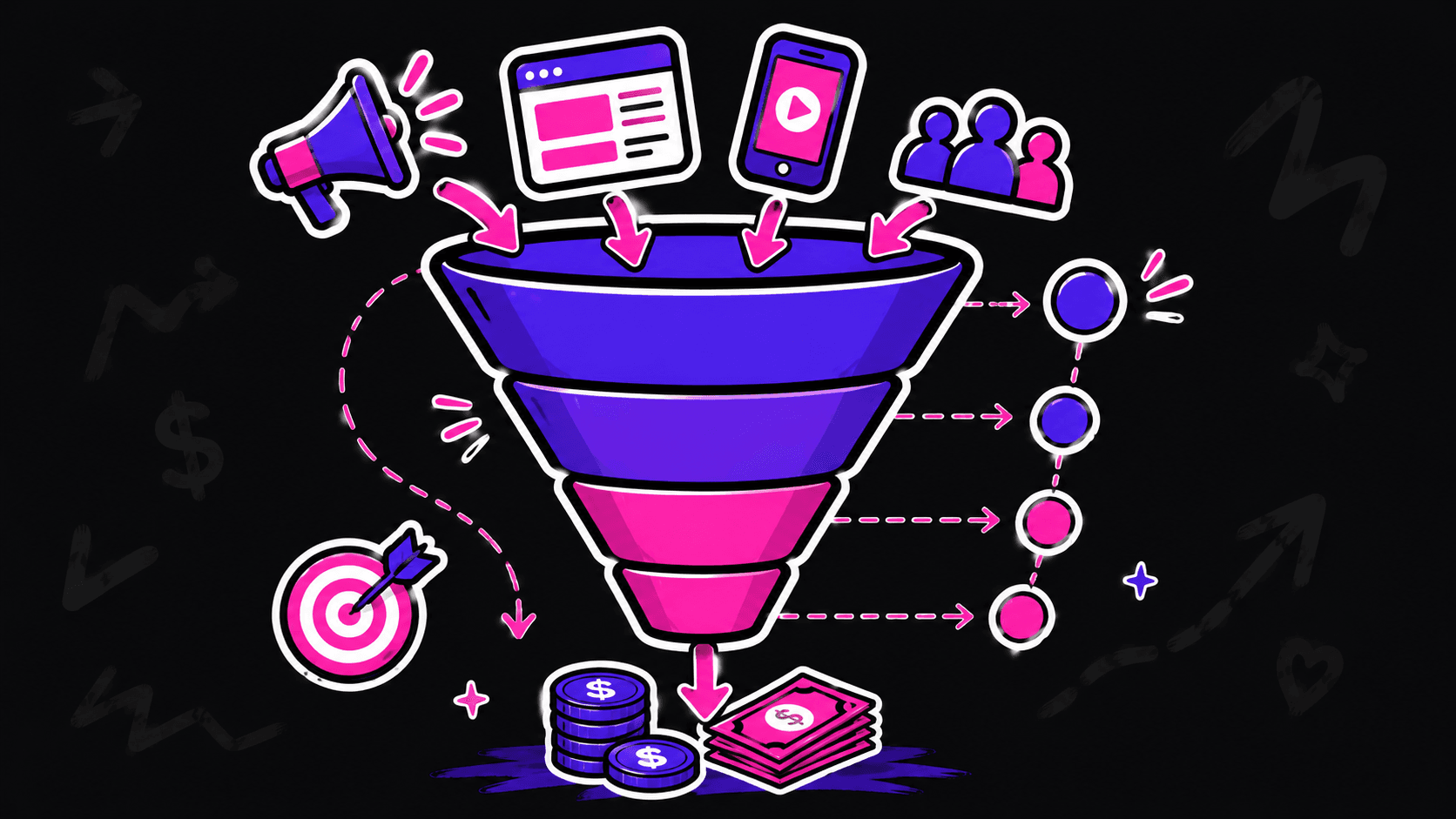
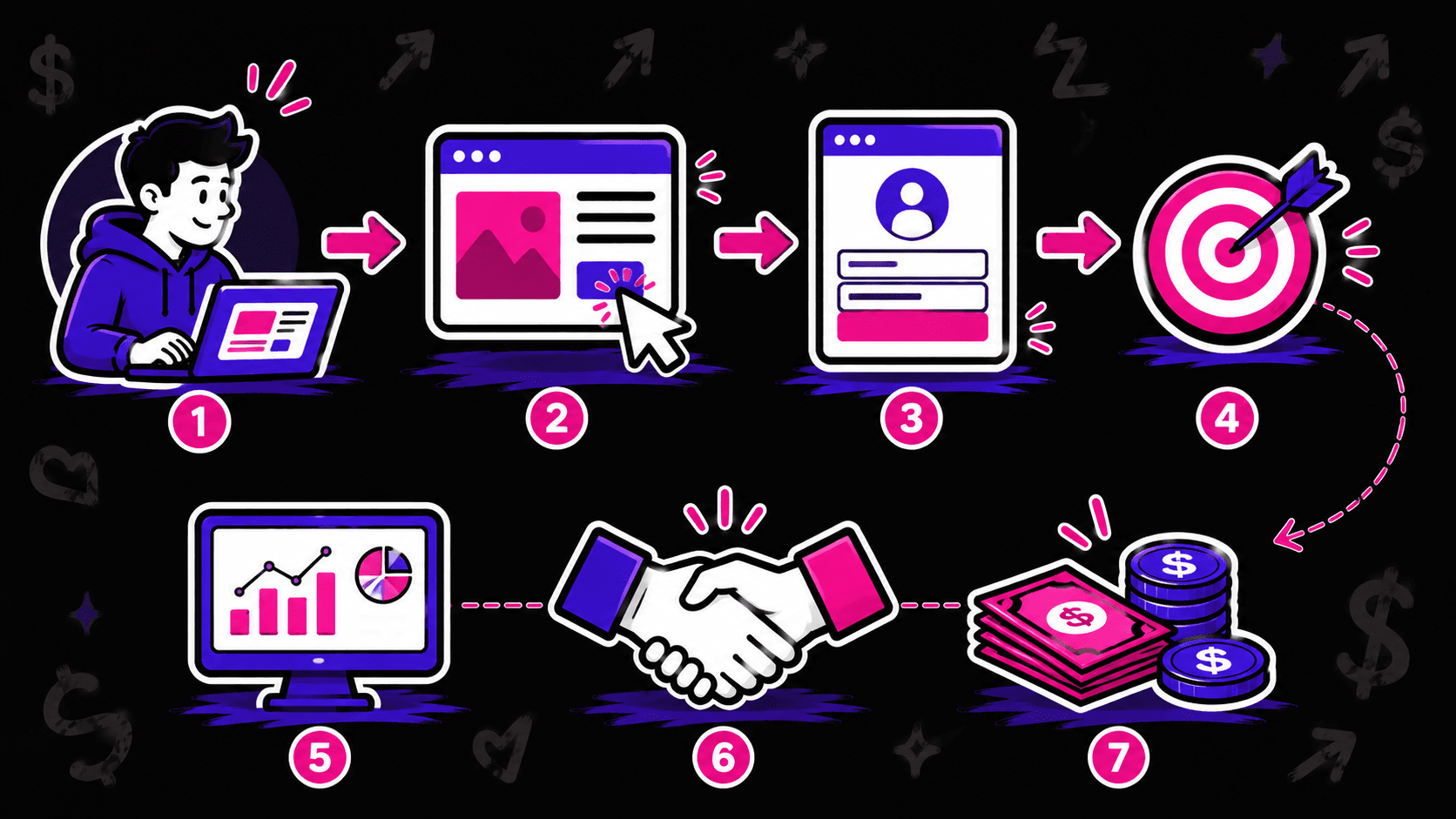
It all starts with the advertiser uploading an offer to a CPA network. The partner finds the offer, takes a personal link, and launches ads. A user sees the ad, clicks, performs an action — for example, buys a course. The tracking system records it. Then the network checks the lead for validity (bot? duplicate? within rules?) and if it’s good, the partner gets paid. The advertiser pays only for what they received. No magic.
How Does CPA Marketing Work? Step by Step
Let’s break it down step by step.
Step 1 — Advertiser creates an offer
The advertiser decides which action they will pay for. Purchase? Request? Install? Then they set a price — fixed or percentage. They also specify requirements: which traffic sources are allowed, which are not, geo, devices, how long the hold period (verification time) lasts, and how leads are confirmed.
Step 2 — Partner registers with a CPA network
The partner chooses a network with a good reputation, clear payouts, and responsive support. After registration, they browse the offer catalog. The key here is not to grab the highest payout. You need to look at EPC (average earnings per click) and which traffic sources are allowed.
Step 3 — Partner drives traffic to the offer
They set up a campaign in their channel — push, popunder, Telegram Ads, TikTok, contextual. In ads and landing pages, they use their affiliate link with a unique code.
Step 4 — Conversion tracking and payout
When a user clicks and performs the action, a tracker (special system) records the event. The CPA network receives the signal and starts verification. If the lead is clean — not a bot, not fraudulent, meets the criteria — the partner is credited. Then they withdraw the money wherever they want.
CPA Marketing Models: Types of Payouts
There are several CPA marketing models. Which one to choose depends on the business goals and product type.
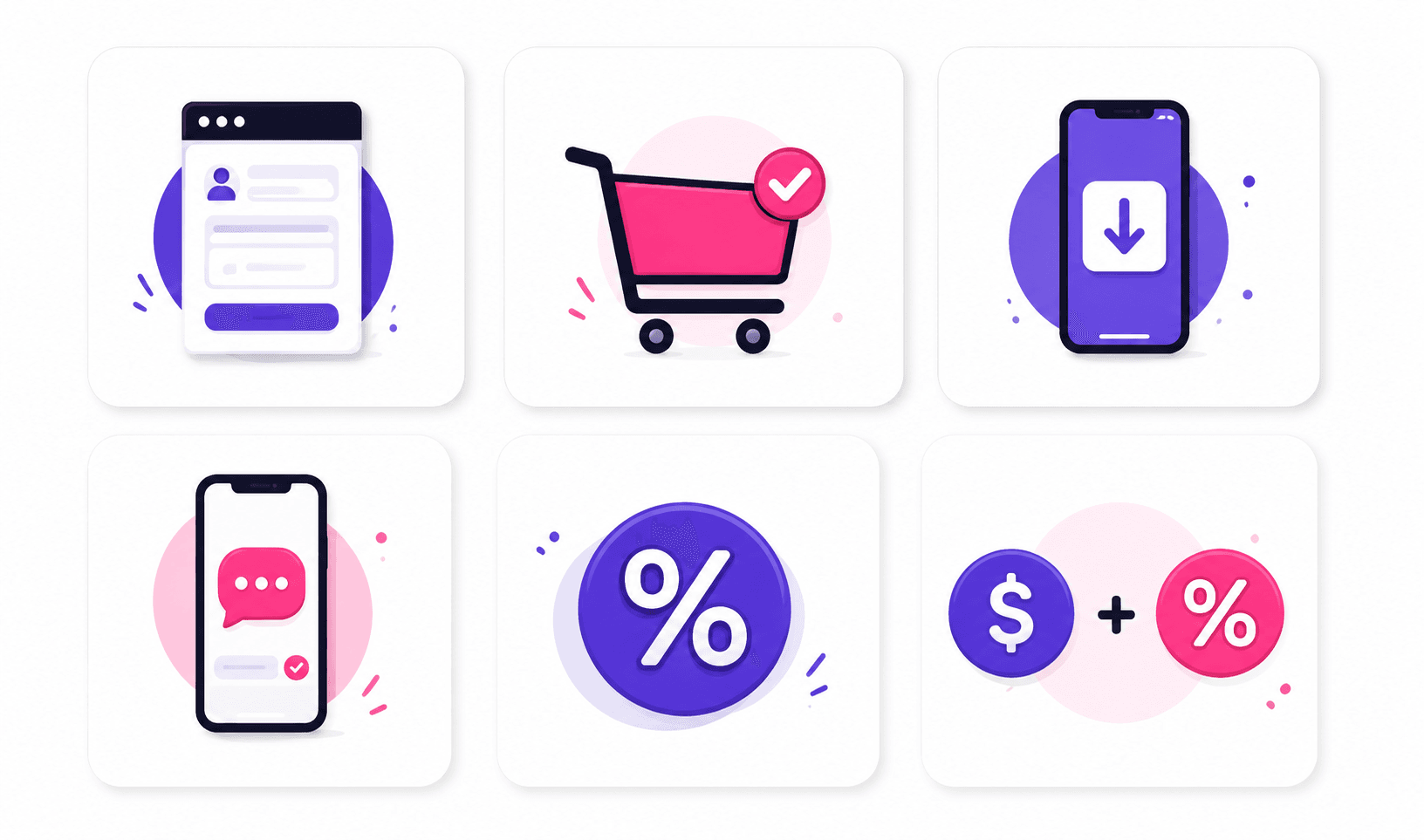
CPL (Cost Per Lead) — pay per request. Very popular in finance, online education, real estate, services. Pros: you quickly get many contacts. Cons: not all leads become buyers, so you need a sales team that never sleeps.
Pay per sale. The partner gets a percentage or fixed amount only when a person actually buys. Ideal for online stores, marketplaces, SaaS. Risk for the advertiser is minimal, but the partner has to work harder — they need to bring very hot prospects. (CPS)
Pay per install. The partner gets paid for each install of a mobile app via their link. Loved in gaming, fintech, delivery. Allows you to quickly grow your user base. But without LTV analysis (customer lifetime value), you can easily get a bunch of dead installs that never pay. (CPI)
SOI/DOI — pay per confirmation. The partner is paid when a user simply confirms their email or phone (sometimes double confirmation). Often seen in sweepstakes, utilities, cheap nutra. Easy for the partner, but payouts are usually small.
RevShare — percentage of customer revenue. The partner gets a percentage of all the money the customer they brought in generates over time. For example, 30% of a monthly subscription or 20% of each casino deposit. The model for online services, streaming, iGaming — anything with a long life cycle. The partner is interested in quality, not just quantity.
Hybrid models — fixed amount plus a percentage. Say, $5 per lead plus 10% of the first sale. Such offers are very popular with strong webmasters — they get quick money and also share long‑term success. The hybrid is balanced, but you need to calculate the economics carefully.
Comparison table of models (CPL, CPI, CPS, SOI/DOI, RevShare, Hybrid)
Model
Paid for
Example payout
Best for
CPL
Request or registration
$2–15
Finance, education, real estate
CPS
Sale
10–30% or $30–80
E‑commerce, SaaS, marketplaces
CPI
App install
$1–5
Gaming, fintech, delivery apps
SOI/DOI
Confirmed email/phone
$0.5–3
Sweepstakes, utilities, cheap nutra
RevShare
% of customer revenue
20–50% recurring
iGaming, streaming, subscriptions
Hybrid
Fixed + %
$5 + 10% of sale
Advanced offers, top affiliates
CPA vs CPM vs CPC vs CPL: What’s the Difference
Beginners often confuse CPA vs CPL vs CPM difference. Let’s explain without boredom.
CPM — you pay per 1,000 impressions. Don’t care if someone clicked or not. Suitable for branding when you need masses to see you. High risk — money goes out, but sales may not come.
CPC — you pay per click. A person clicks your ad — you pay. But a click is not a conversion. Medium risk.
CPL — you pay per lead. Warmer, but a lead is not a sale. Low–medium risk.
CPA — you pay per target action (purchase, confirmed request, install). The safest option for the advertiser — you pay only when there is real value.
Comparative table
Model
Paid for
Risk for advertiser
When to use
CPM
1,000 impressions
High
Brand awareness, mass reach
CPC
Click
Medium
Traffic generation, testing
CPL
Lead
Low–Medium
Lead generation, databases
CPA
Target action
Lowest
Performance marketing, sales, installs
If you want to sleep soundly and not fear burning your budget — go with CPA.
How to Start CPA Marketing (Beginner's Guide)
Step 1. Choose a niche
Don’t jump straight into crypto or investments. There are monsters there with budgets of hundreds of thousands of dollars, and you’ll just burn out. Start with simple, year‑round things: sweepstakes (giveaways), utilities (antivirus, VPN), dating, simple nutra (weight loss pills, creams). You can check if a niche is alive with Google Keyword Planner — if there are dozens of advertisers for the keywords, there is demand.
Step 2. Choose a CPA network
Look at several factors. The network should have been around for at least a couple of years, have case studies, and not be trashed on forums. It must have its own antifraud system, a clear hold period, and reliable payouts. Support in English or another major language. For starters, large international platforms that accept beginners with a deposit starting from $100 are fine.
Step 3. Traffic sources to start with
For a beginner, push notifications or popunder are best. They give lots of traffic at a low price, and setup is not complicated. The MyBid platform, for example, provides these formats with antifraud, SmartCPC, and CPA Goal. You can launch your first campaign in 10 minutes.
Step 4. Tracker, launch, and optimisation
Without a tracker (Binom, Keitaro, Voluum), you’re a blind kitten. You won’t see which source is burning your budget and which is bringing profit. Set up a postback so conversion data arrives in real time. Testing rules: $30–50 per test, change only one variable at a time (creative, audience, or source), gather at least 500–1,000 clicks for conclusions. Negative ROI — turn it off and try something else.
Best Traffic Sources for CPA Marketing in 2026
Push notifications
People subscribed to them voluntarily, so they aren’t strongly opposed. Push works great for gambling, betting, sweepstakes, simple nutra. Downside — high competition, creatives need to be changed every few days, otherwise conversion dies. But traffic is stable and cheap.
Popunder
A window opens under the main browser window. The user sees it when they close a page or switch tabs. Popunders give huge volumes at a very low price. Traffic quality is average — many accidental clicks. Therefore, they are only suitable for cheap offers where you don’t need a long warm‑up.
Native advertising
Looks like part of the site’s content — an article, recommendation, product card. People click deliberately. Native is good for finance, crypto, expensive goods. But it requires serious budgets, good copy, and design. Harder for a beginner to start with.
SEO and organic traffic
Slow, but free and stable in the long run. Make a review site or blog on WordPress, write useful articles. After six months to a year, search engines start sending targeted visitors. This traffic is very warm — the person was actively looking for information. Downside — you have to wait a long time, and in competitive niches it takes a lot of effort.
Social media (TikTok, Instagram, Facebook)
Short videos, challenges, UGC — in 2026 this still rules. Works great for games, apps, e‑commerce, online education. The audience is young and solvent. But moderation is fierce, especially for gambling and nutra — you’ll have to disguise yourself, use proxies and anti‑detect browsers. Without experience, accounts get banned quickly.
Telegram (ads in channels and Mini Apps)
One of the hottest channels right now. Traffic is often cheaper than on social media, people are already used to buying inside the messenger. Also pay special attention to Telegram Mini Apps — mini‑applications where you can complete a purchase without leaving the external site. Competition is still low, moderation is not strict. I recommend it if you work with dating, finance, or info products.
Example matching table
Traffic format
Best verticals
Approximate CPL
Push
Gambling, betting, sweepstakes, nutra
$5–25
Popunder
Nutra, utilities, sweepstakes, dating
$0.5–4
Native
Finance, crypto, e‑commerce, health
$15–60
Social (TikTok, FB, IG)
Apps, gaming, e‑commerce, education
$10–50
Telegram Ads
Dating, finance, info products, gambling
$2–20
Organic mention of MyBid as a traffic source: Platforms like MyBid offer popunder, push, in‑page push, banners, video, and Telegram Mini Apps with built‑in antifraud, SmartCPC, and CPA Goal.
Top CPA Verticals: Where the Money Is in 2026
Gambling and Betting
Very high payouts — up to $200–250 per depositing player. But the barrier is high: aggressive moderation, need for cloaking, quality creatives, understanding of different country laws. Works best on push and popunder, plus Telegram. A beginner without a mentor will struggle, but if you succeed, the profit is excellent.
Crypto
Even more volatile and risky. They may pay 100-500 per verified user with first deposit. But the market changes every month: bans, KYC, price jumps. Crypto is for experienced guys with a budget. Better to avoid at the very beginning.
Nutra (health products)
Stable, understandable vertical. Usually CPS — from 30 to 80 per sold product. Works on push, popunder, native. Audience is older, not very sophisticated. You just need to show the benefit and not overload the landing page. Won’t give cosmic profits, but it’s a great place to learn.
Dating
A classic that never dies. CPL is usually $2–8 per lead (registration, email confirmation). Suitable for any source: push, social media, Telegram, even popunder. The key is to hit the mood — bright images, simple forms, clear offer. High competition, but traffic volumes are colossal.
Utilities (antivirus, VPN, cleaners)
Subscription or trial period model. The partner can get RevShare (e.g., 30% of renewal) or a fixed amount for install with activation. Works well through sweepstakes, popunder, software installs. Users don’t always understand they’ve signed up for a monthly payment, so watch the quality.
Example payouts for the US market
Vertical
US Market Avg Payout
Europe Avg Payout
Main Model
Notes
Gambling / iGaming
$150–250 CPA
€40–100 CPA
CPA / RevShare
US pays higher due to higher player LTV and regulated states
Crypto
$120–500 CPA
€80–250 CPA
CPA / CPL
US crypto leads are more expensive because of stricter KYC
Nutra
$40–70 CPS
€25–50 CPS
CPS / COD
Europe has lower AOV but easier approval rates
Dating
$3–6 SOI / $15–30 DOI
€2–5 SOI / €10–20 DOI
CPL
EU dating traffic is cheaper but lower EPC
Utilities / VPN / SaaS
$10–40 subscription
€8–25 subscription
CPS / RevShare
US SaaS subscriptions usually have higher ARPU
Finance
$80–200 CPL
€40–120 CPL
CPL / CPA
EU finance offers face stricter GDPR compliance
Sweepstakes
$1–5 CPL
€0.50–3 CPL
CPL
Higher volume in EU, but lower payouts
E-commerce
5–30% RevShare
4–20% RevShare
CPS
Similar conversion rates, lower basket size in EU
How to Calculate ROI in CPA Marketing
ROI is what it’s all about. It shows the percentage of profit or loss.
Formula: ROI = (Revenue – Cost) / Cost × 100%
Other useful metrics:
EPC (Earnings Per Click) — how much you earned on average per click. Helps compare offers.
CR (Conversion Rate) — percentage of clicks that turned into leads. Low CR means problems with the landing page or offer.
eCPM (effective Cost Per Mille) — how much you earned per 1,000 impressions. Convenient for popunder and push.
Never look at them in isolation. Only together.
Common CPA Marketing Mistakes (5–7 errors)
Mistakes eat budgets faster than bad creatives.
Choosing an offer without analyzing the audience. A high payout won’t save you if the product doesn’t interest your traffic. Understand who clicks on your ads and pick an offer for them.
Ignoring the tracker. Without a tracker, you can’t see which source is generating conversions and which is feeding bots. You’re just throwing money away.
Launching with a large budget without tests. First $30–50 for a test. If it works — scale. Otherwise, you’ll burn everything at once.
Working with “gray” traffic. Attempts to bypass the rules sooner or later end with account bans and payout refusals.
Slow lead processing. If you’re an advertiser and you check requests for a week — partners leave. If you’re a partner — don’t wait, change the offer.
Setting too low a payout. Webmasters don’t work for “thanks”. Below market rate — they won’t come to you.
No feedback with partners. The best combinations are born in dialogue. Share stats, suggest which creative works better. Partners will respond with quality traffic.
FAQ
What does CPA stand for in marketing?
CPA stands for Cost Per Action — payment for a target action: purchase, request, registration, or app install.
Is CPA marketing worth it?
Yes, for advertisers who want to minimize risk and for affiliates who can drive quality traffic. It’s performance‑based and transparent.
How does CPA marketing work for beginners?
Beginners join a CPA network, pick an offer, drive traffic via push or popunder, and get paid per confirmed action. Start with $100–300.
What is the difference between CPA and CPL?
CPA pays for any agreed action (sale, install). CPL pays only for a lead (request, registration). CPL is a subset of CPA.
Which CPA networks are best in 2026?
Look for networks with antifraud, transparent holds, 24/7 support, and positive community reputation. Always check recent reviews.
Can I do CPA marketing without a website?
Yes. Use direct affiliate links, social media, Telegram, push ads, or popunder. No website required for many models.
How much can a beginner earn with CPA marketing?
It varies. First campaigns often break even or lose. With optimisation, $500–2,000/month is realistic. Top affiliates earn much more.
How CPA Networks Work Inside (for Advertisers and Partners)
To understand the whole kitchen, it’s helpful to know the step‑by‑step process of a network. This will help both those who order traffic and those who drive it.
Offer upload and moderation
The business forms the offer: target action, payout terms, traffic requirements, confirmation rules, geo, and description of the target audience. Then the network checks the niche, product legality, and company readiness. If everything is fine, the offer appears in the catalog.
Webmaster access and traffic launch
After the offer is published, affiliates, bloggers, site owners, and Telegram channel admins see it. They choose what suits them and start driving traffic through allowed channels: social media, Telegram, TikTok, Google UGC, SEO sites, push notifications, popunders.
Verification and hold
The network evaluates lead quality, uniqueness, and absence of fraud. This period is called the hold. Usually it lasts from a few days to two weeks. If the advertiser does not reject the lead during this time, the partner is credited.
Payouts to webmasters
Depending on the network, payouts occur once a week, every two weeks, or once a month. Reliable networks pay steadily and without delays.
Advantages of CPA Marketing (and what they don’t talk about)
Why are more and more businesses choosing CPA instead of regular advertising?
Minimal risks. You pay only for a specific result. No “what if”.
Massive reach. Thousands of webmasters can deliver traffic simultaneously. You are not limited by your own team of targetologists.
Speed of testing. Webmasters test hypotheses, creatives, and combinations themselves. They don’t need long budget approvals — they just launch and watch.
Transparency. You see where each lead came from and how much it cost. No 20‑page reports without concrete sales.
Competition among webmasters. The best find the best traffic. The weak filter themselves out. You don’t need to hire and fire — the market does it for you.
But there are drawbacks that are rarely mentioned.
Fraud risk. Bots, incentivized traffic, cheap leads from fake sites — this is reality. Without a proper antifraud system, you’ll pay for thin air.
High load on sales or support. If traffic pours in like a river and you have a two‑person call centre, requests will simply burn. Conversion to sale will drop.
Not all products fit. Long B2B cycles, expensive services with half‑year warm‑ups — almost useless for CPA. Webmasters simply won’t wait for payment.
May require product refinement. CPA quickly reveals weak points: a broken landing page, slow request handling, an inconvenient form. If these don’t work, you’ll find out immediately.
How to Know If Your Product Is Suitable for CPA
Several signs indicate the model will work.
The product is suitable if:
the decision cycle is short — one to seven days;
the product is not too complex, can be explained in a couple of minutes;
the audience is mass, not “three people in the world”;
the value proposition is clear at first glance;
you can accurately measure the result (request, sale, install);
the sales funnel is simple, without a dozen intermediate steps.
The product is NOT suitable if:
complex B2B sales with tenders and lawyers;
expensive services with long warm‑up (e.g., private schools with individual programs costing $10,000);
unique narrow niches where there are only five customers a month.
How to Choose a CPA Network: Detailed Checklist
Here’s what to look at when choosing a platform.
Network age. Good if more than two years. Less — they might close and disappear with the money.
Public case studies and reviews. Search specialised forums. If everyone says they don’t pay — run.
Antifraud system. Without it, fraud will eat your budget. Good networks invest in bot filtering.
Account manager for advertisers and webmasters. A real person who responds within a couple of hours, not a week.
Payouts arrive on time. A month’s delay is a red flag.
Transparent hold system. Clear what and for how long is checked.
Low fraud percentage. Good networks keep it below 15%.
Clear offer requirements. If the rules are vague, disputes will arise.
API integration capability. If you’re an advertiser with dozens of offers, no API will be painful.
Access to the network’s best webmasters. Good networks have private chats or personal invitations.
Reputation in the community. Read Telegram channels, forums. Bad news floats up fast.
How to Launch a CPA Offer Properly (for Advertisers)
Step by step.
Prepare the product and landing page. The landing page should convert at least 2–5%. Present value in simple words. Support responds quickly. CRM is integrated and ready to accept requests in a stream.
Write clear rules. Clearly state what counts as a lead, what is confirmed, what is rejected. Indicate hold duration, geo, allowed traffic sources. The clearer the rules, the fewer disputes.
Set up analytics. UTM tags, postbacks, tracker — everything should run in real time. You should see every source, campaign, and creative.
Test on 50–100 leads. Let a few webmasters run test traffic. Filter out obvious junk. Make sure your sales team can handle it.
Scale. When the offer delivers steady profit, increase payouts to webmasters or raise daily budgets.
Optimise. Examples: raise the payout to attract top partners; improve the landing page based on heatmaps; shorten the request form; change the user journey on the site.
CPA Prospects in 2026–2027: Where to Look
What will grow and develop in the next couple of years.
Telegram offers. Traffic on Telegram is still cheaper than on many other platforms. Mini Apps, channel ads, bots — there will be a boom here.
UGC creatives. Ordinary banners are dying. Short videos with “first‑person testimonials” are becoming the standard, not the exception.
CPA inside marketplaces. Sellers on Amazon, Ozon, Wildberries will pay not per click but per actual sale from affiliate links.
RevShare models. More and more services are shifting to long‑term partnerships instead of one‑time payouts. This benefits both platforms and webmasters.
AI‑driven offer management. Artificial intelligence will optimise bids in real time, match creatives to audiences, and reject junk traffic. Manual work will decrease by 40–50%.
Influencer CPA. Bloggers and micro‑influencers will start working not for a fixed fee but for a percentage of sales. This reduces risk for the advertiser and gives honest motivation to bloggers.
Conclusion
CPA marketing is not a lottery and not a way to get rich overnight. It’s systematic work with numbers, creatives, and risks. The first campaigns almost always run at a loss. But if you analyse every thousand impressions, turn off garbage sources, and aren’t afraid to change creatives — within a couple of months you’ll turn profitable.
At the start, it’s important to choose the right tools. A reliable network, an honest traffic source, and a tracker. One such source is MyBid. The platform offers popunder, push, in‑page push, banners, video, and Telegram Mini Apps. Built‑in antifraud cuts bots, and SmartCPC plus CPA Goal help avoid overpaying. Deposit from $100, support 24/7.
Register at MyBid / test your traffic today. Start small, test, learn from your mistakes, and CPA will become a predictable source of income for you. Good luck.