The MyBid blog is your expert guide to conversion traffic.
We share real-world case studies, insider tips, and practical guides for our
ad network. Learn how to master these tough verticals and run profitable
campaigns with our tools. No theory, just actionable advice to boost your profit.
[ Mobile vs Residential Proxies 2026: Which to Choose ]
13.09.2026Affiliate Marketing How to start?4 min
Contents
Messing up your proxy setup means a dead account, a burned-out budget, and days wasted on re-farming. In 2026, antifraud systems on Meta, Google, and TikTok are stricter than ever, meaning the right proxy is the thin line between a scaling campaign and instant moderation death.
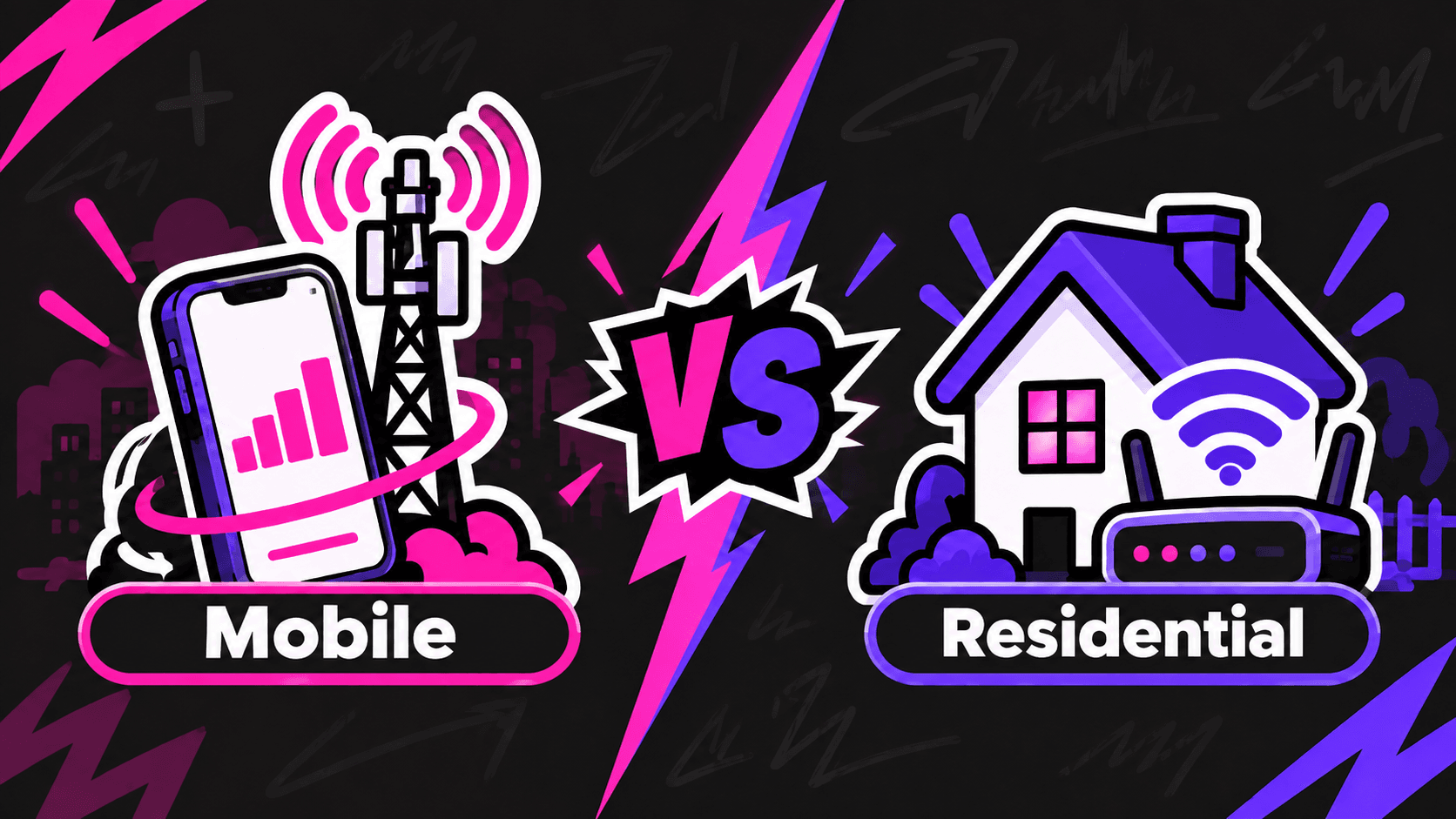
The Quick Breakdown: Mobile proxies give you cellular network IPs (4G/5G) shared by thousands of real users—giving them maximum trust. Residential proxies use home internet lines (ISP), making them ideal for web scraping, multi-accounting, and mid-tier budgets.
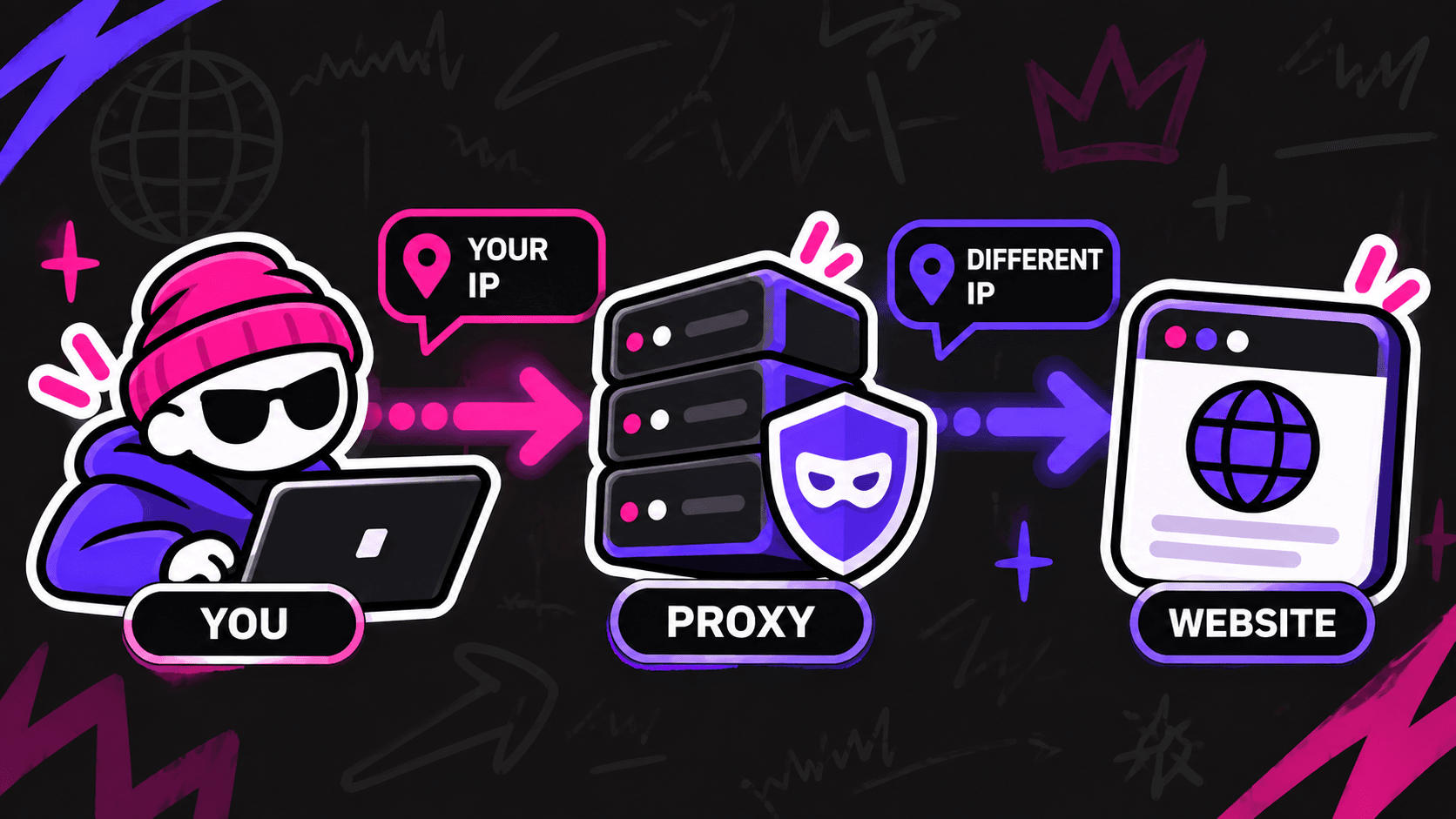
What is a Proxy in Affiliate Marketing?
A proxy in an antidetect browser isn't just a simple IP switcher; it's your digital ID card. Traffic networks check a whole stack of parameters:
ASN (Autonomous System Number): Where the IP comes from—a data center or a real provider.
Consistency: Does the proxy’s Geo match the time zone, language, and system location in your antidetect browser?
IP History: Does this address have a trail of bans, flags, or spam?
Without a clean, matching proxy, an antidetect browser is useless: platform algorithms spot the technical mismatch before you even launch your first campaign.
Proxy Types: Quick Classification
Proxy Type
IP Source
Trust Level
Price Range
Best Used For
Datacenter
Hosting (AWS, Hetzner)
Low
Cheap ($0.5–$2)
Open-data scraping, SEO monitoring
Residential (ISP)
Home ISPs
High
Mid ($3–$10)
Multi-accounting, Google Ads, scraping
Mobile (4G/5G)
Cellular towers
Maximum
Expensive ($40–$100+)
Meta Ads, TikTok, heavy affiliate traffic
Mobile Proxies (4G/5G): Why They Rule Socials
Mobile proxies run on real SIM cards plugged into modems. The magic trick here is carrier NAT: hundreds or thousands of real mobile users share a single cellular IP address at the same time. Platforms can't block these IPs outright without accidentally banning hundreds of genuine customers.
Pros: Unbeatable trust, automatic or manual rotation, zero risk of subnet-wide bans.
Price to pay: Expensive ports, speed depends on local cell tower signal strength.
Best for: Meta Ads, TikTok, and any aggressive verticals where algorithms are ruthless.
Residential Proxies (ISP): The Price-to-Quality Balance
These are fixed home internet IPs. They come in static (ISP) and rotating flavors. They cost significantly less than mobile proxies, offer stable speeds, and fit tasks that don't require extreme paranoia.
Pros: Massive geo-coverage, cheaper than mobile, easy pay-as-you-go data pricing.
Price to pay: Can end up on blacklists during heavy spamming; trust level is a notch below mobile.
Best for: Google Ads, e-commerce, web scraping, and working with mid-tier budgets.
Mobile vs. Residential: The Final Showdown
Parameter
Mobile Proxies (4G/5G)
Residential Proxies (ISP)
Platform Trust
Maximum
High
Speed
Medium (depends on cellular signal)
High and stable
Pricing
Per port / monthly flat fee
Per gigabyte of traffic
Rotation
By timer or manual link trigger
By request or sticky sessions
Ban Risk
Minimal
Medium (if behavior is too aggressive)
Best Fit
Meta Ads, TikTok
Google Ads, scraping, multi-accs
Top Proxy Services for 2026
Bright Data: A giant pool of residential and mobile IPs with granular geo-targeting.
Smartproxy: A top choice for automation and web scraping with a clean API.
Proxy-Seller: Reliable provider offering solid ISP/IPv4 options, mobile proxies, and ready-to-use panels to build your own proxy farms.
ProxyEmpire / iProxy: Great options for media buying teams with flexible management features.
How to Choose the Right Proxy for Your Task
Meta Ads: Only mobile 4G/5G proxies with clean ASNs and manual rotation.
Google Ads / E-commerce: Static residential ISPs (stability and a fixed IP matter most).
TikTok: Mobile proxies, strictly matching the SIM card's geo.
Data Scraping: Rotating residential proxies with traffic-based pricing.
Launch Checklist: Always check your IPs through Whoer or Pixelscan (check timezones, languages, WebRTC leaks). Test your latency to the target ad platform.
FAQ
1. What’s the difference between mobile and residential proxies?
Mobile proxies use dynamic cellular IPs shared via carrier NAT (giving them top-tier trust). Residential proxies are standard home broadband connections—cheaper and faster, but with slightly lower armor against strict social media filters.
2. What proxies do I need for Meta Ads?
Unquestionably, mobile 4G/5G proxies. Data centers and cheap residential proxies get flagged and filtered by Meta instantly.
3. What is IP rotation?
Rotation is the automatic or manual swapping of your IP address after a set time or action. It keeps you from looking like a bot during repetitive bulk tasks.
4. Why do datacenter proxies get banned so fast?
Hosting provider IP ranges (AWS, DigitalOcean, etc.) are permanently logged in every major antifraud database. Platforms immediately spot that traffic is coming from a server rack instead of a human.
5. Can I use one proxy for multiple accounts?
Hard no. You’ll trigger a cross-ban: if one account goes down, the rest of the chain linked to that IP goes down with it.
6. How much do mobile proxies cost?
Usually anywhere from $40 to $100+ per working port per month, driven by the real hardware costs (modems, unlimited SIM cards, hubs, and server software).
A proper proxy is insurance for your ad budget. By the way, if you’re running campaigns through MyBid, you don’t even need proxies—the platform works directly with all traffic sources without any complex setup.
Sign up for MyBid, launch your campaigns in a couple of clicks, and skip the headache of building proxy farms!