The MyBid blog is your expert guide to conversion traffic.
We share real-world case studies, insider tips, and practical guides for our
ad network. Learn how to master these tough verticals and run profitable
campaigns with our tools. No theory, just actionable advice to boost your profit.
The 2026 FIFA World Cup in North America has become the largest and most commercially driven tournament in history: 48 teams, 104 matches, 16 stadiums across three countries, and nearly 39 days of football. The format has changed dramatically, and with it, the betting market has been reshaped.
The Market: Bigger but Tougher
The scale is unprecedented. Instead of 32 teams, there are now 48. Instead of 64 matches, 104. Stadium attendance has jumped from 3.4 million to over 6 million. The prize pool has grown from $440 million to $655 million. On paper, this should mean more opportunities for affiliates and arbitrage players. In reality, the landscape is far more demanding.
Traffic costs have surged. Competition for quality players is fierce. Platforms and ad networks have tightened compliance rules. Google, Meta, and TikTok now enforce stricter licensing, verification, and landing‑page standards. Grey‑area tactics fade faster than ever. The value of solid infrastructure, trusted accounts, and compliant strategies has multiplied.
Teams no longer measure success by first‑time deposits alone. Lead quality, retention, and ROI are now the benchmarks. Users are savvier than they were in 2022. They’ve seen countless repetitive messages, so grabbing attention requires more than a bonus banner — it demands thoughtful creative and funnel design.
Campaigns must now tie into real‑time storylines — not just the World Cup itself, but specific moments: hydration breaks, record‑breaking goals, or shock upsets from underdog teams. Creatives burn out quickly. Approaches are copied instantly. The lifespan of a single campaign can be days, sometimes hours. Teams need to move faster, test constantly, and abandon yesterday’s winning formula without hesitation.
Traffic Channels Rebalanced
Facebook remains a heavyweight channel, but it now requires strong infrastructure and operational expertise. TikTok has emerged as one of the most promising sources for licensed iGaming. Few took it seriously in 2022; now, those who understand its compliance mechanics enjoy a clear edge.
SEO has become less predictable due to AI‑driven search results and aggressive algorithm updates. ASO has grown in importance, though app moderation is tougher than ever. Still, as long as a product remains in the store, app traffic is among the highest‑quality available.
Meanwhile, Telegram, influencer marketing, and CRM have gained traction. Acquiring new players is increasingly expensive, so retention and base management are critical. Companies are trimming brand‑building integrations and doubling down on performance.
Crypto Betting Gains Ground
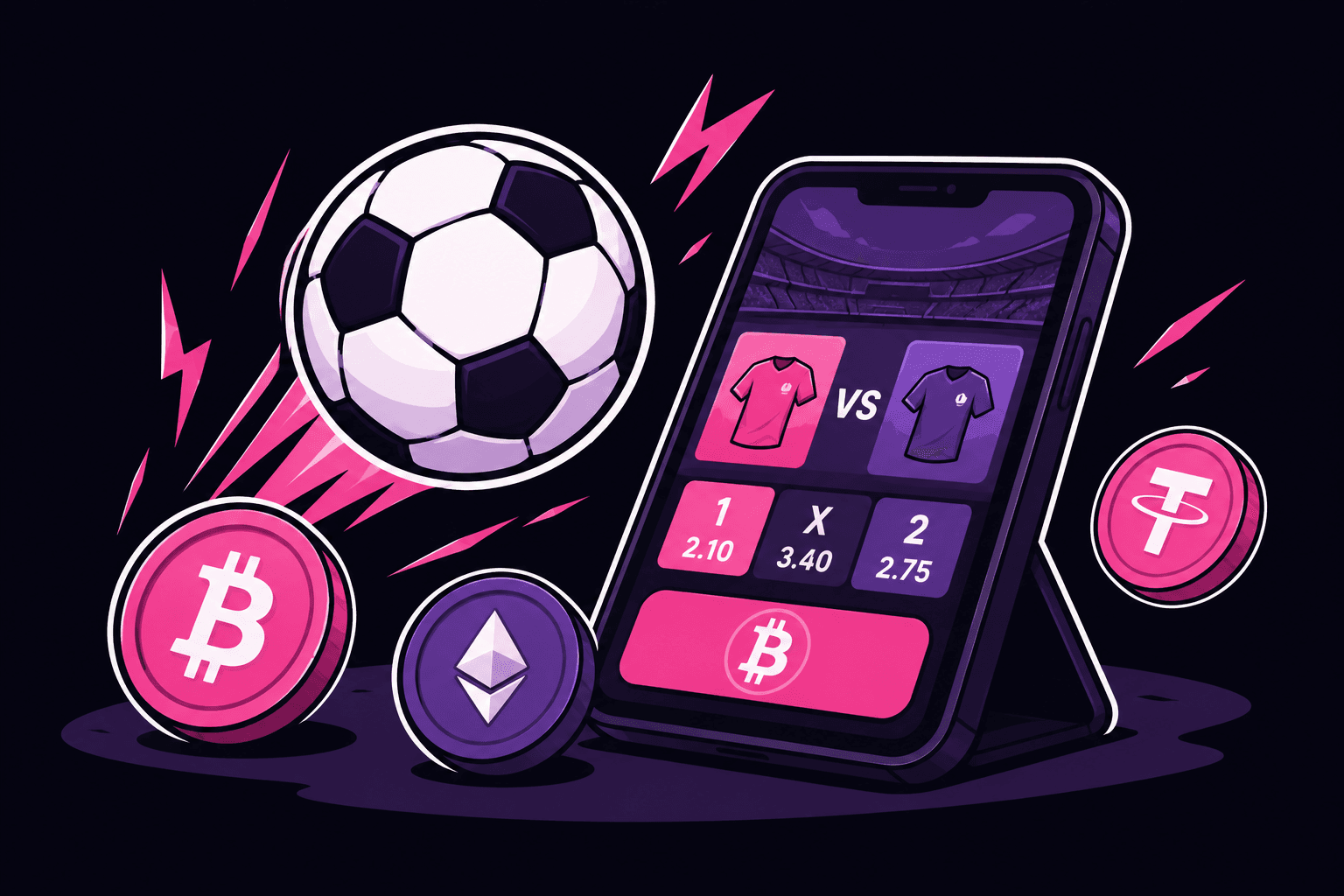
For the first time, crypto sportsbooks are playing a significant role at the World Cup. They compete directly with traditional operators, offering wagers not only on outcomes, totals, and corners, but also on progression through stages and micro‑events within matches. This opens new niches, particularly in regions with strong crypto adoption, but it also demands specialized expertise.
A Pricier, More Demanding Audience
The 2026 World Cup is the most expensive tournament ever staged. Group‑stage tickets started at $575, with resale prices exceeding $1,600. Over 3.6 million tickets have already been sold, and VIP packages fetch millions. Ordinary fans are increasingly priced out, replaced by wealthier spectators.
For betting, this means the audience is more affluent but also more demanding. Expectations for service, payout speed, and product quality are higher. Serving this audience is harder, but margins are stronger.
What This Means for Affiliates
The market has matured. In 2022, many believed the hype alone would carry campaigns. That’s no longer the case. Success now goes to those who hit the right geo, offer, event, and moment — not those who simply spend more. Agility, unit economics, and compliance are the new competitive edge.
MyBid White List for FIFA 2026
Compared to FIFA 2022, where affiliates could still rely on hype and less‑strict traffic sources, the 2026 World Cup demands a far more disciplined approach. Compliance rules are tighter, traffic costs are higher, and the risk of wasting budget on bots or low‑quality inventory has multiplied.
MyBid White List provides a curated set of verified traffic sources that meet licensing and quality standards — a critical safeguard during the peak demand of FIFA 2026.
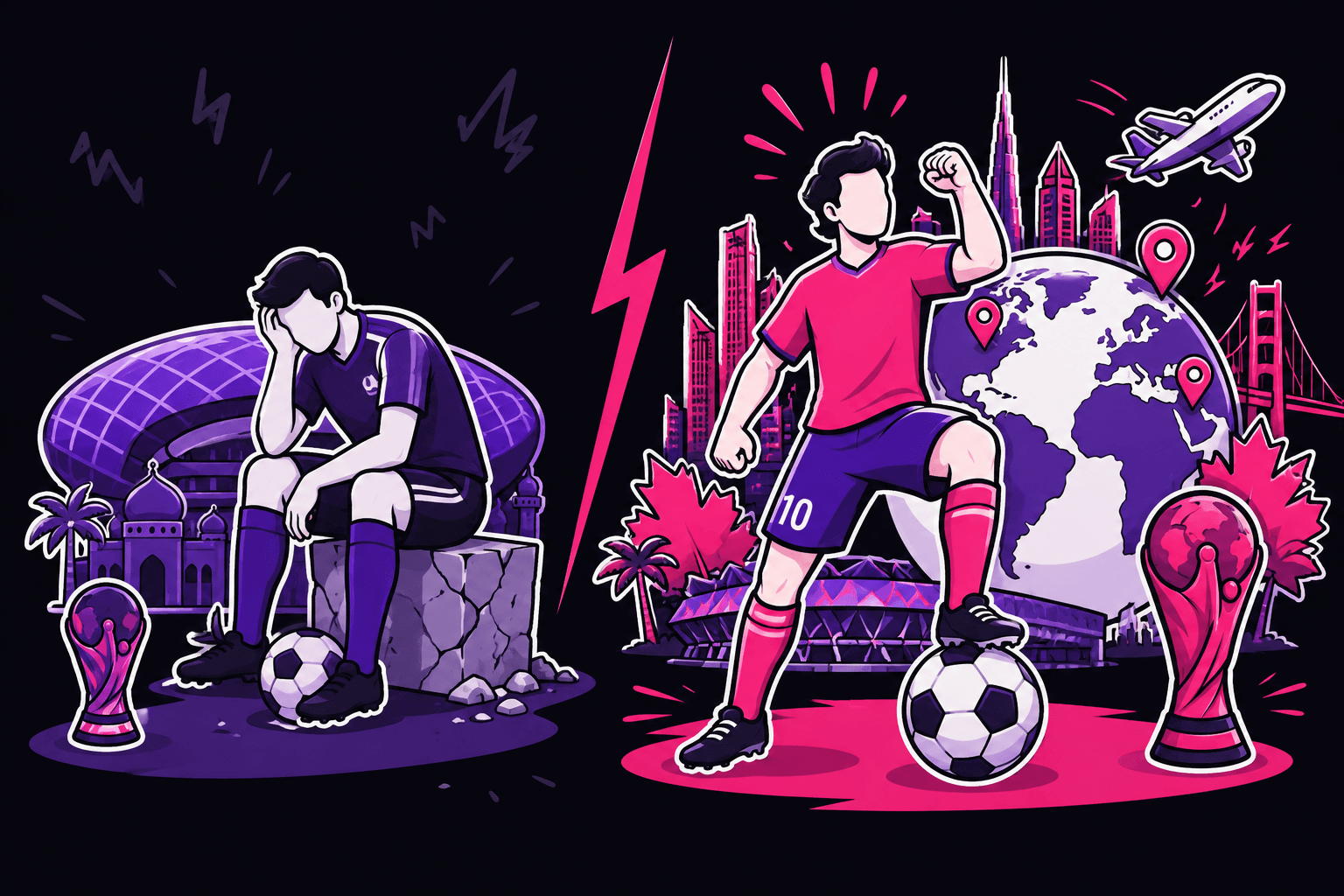
2022 vs 2026 Comparison:
In 2022, campaigns could succeed even with semi‑compliant sources and minimal vetting.
In 2026, without a white list, the chance of budget loss is significantly higher due to stricter platform rules and more expensive audiences.
Benefits of MyBid White List:
Ensures access to real, paying audiences instead of inflated traffic.
Reduces risk of fraud and poor conversions during high‑volume match days.
Speeds up campaign launches — no delays from questionable sources.
Automates quality control by cutting underperforming placements in real time.
For affiliates, MyBid White List is not just a convenience but a necessity at FIFA 2026. It allows campaigns to scale safely, maintain ROI, and compete effectively in the most commercially intense World Cup ever staged.
How to Approach Betting at World Cup 2026
To avoid burning budgets and stay profitable, several principles are key:
Launch on trusted platforms: Not all inventory is equal, and during peak demand the risk of bots or poor traffic is high. White lists from verified sources are essential.
Cut launch times: Campaigns must be ready within minutes. Matches happen daily, and missing the window means losing the opportunity.
Use flexible formats: Push notifications, in‑page push, and pop‑unders deliver quick volume and allow hypothesis testing without massive budgets. Telegram Mini Apps, in particular, show CTR and conversion rates far above traditional display ads.
Monitor quality in real time: If a source or creative starts to underperform, systems should cut it automatically.
Think infrastructure, not channels: In 2026, winners aren’t those who find one working setup, but those who build systems that can test, scale, and switch sources seamlessly.